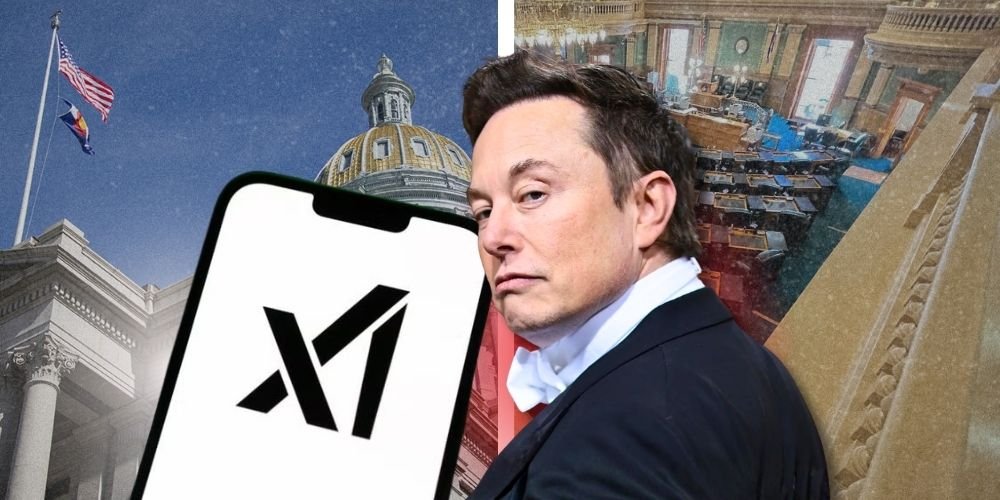
Just weeks before one of the strictest AI laws in the country takes effect, Elon Musk’s xAI has already moved to challenge it in court. The company filed a lawsuit in a U.S. district court in Colorado, targeting a law scheduled to begin on June 30.
The measure introduces rules aimed at preventing “algorithmic discrimination” in sectors such as employment, healthcare, housing, and finance. As enforcement approaches, the case brings attention to how these requirements may shape the design and outputs of AI systems.
The Colorado law requires developers of high-risk AI systems to assess risks, prevent discriminatory outcomes, and provide users with ways to correct data or appeal decisions. It also mandates disclosures to both users and regulators about potential harms tied to automated decisions. These provisions place the state among the first to implement broad rules governing how AI systems influence real-world outcomes.
xAI’s lawsuit argues that the law extends beyond technical safeguards and into how AI systems generate responses.
The company states that the requirements could push developers to align outputs with state-defined views on issues such as diversity and discrimination. It also raises concerns about how these rules could affect the design and behavior of models like Grok.
According to xAI’s filing in U.S. district court, the law’s provisions would prohibit developers from producing AI-generated speech that the State of Colorado disfavors, raising concerns over how such rules could shape system outputs. The filing also states that developers could be required to conform their systems to state-enforced positions on contested public issues.
The lawsuit seeks to block enforcement of the law before its June 30 rollout and asks the court to declare it unconstitutional. The case adds to ongoing tensions between state-led AI regulation efforts and companies pushing back against multiple regulatory frameworks across jurisdictions.