
Former Senate President Chiz Escudero suggested that companies consider flexible or adjusted work schedules as the country faces uncertainty in global oil prices.
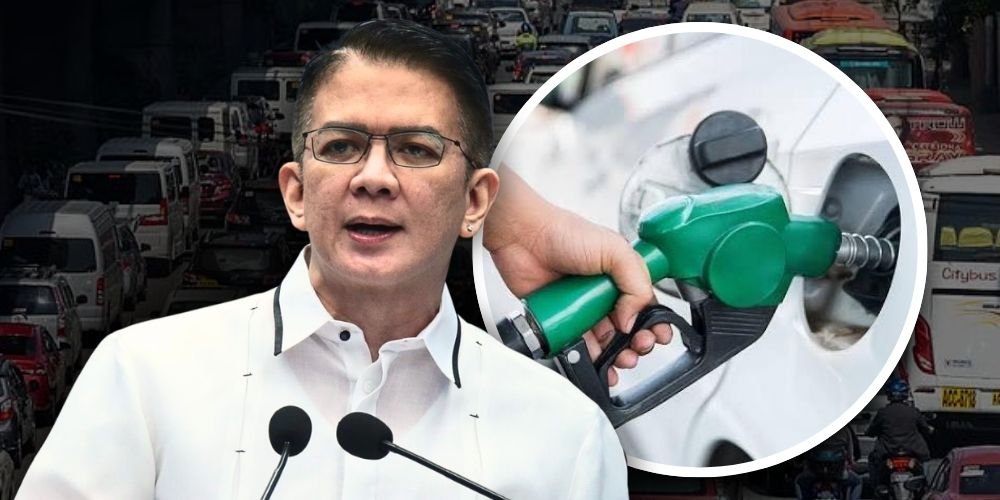
Escudero said modifying reporting times or adopting hybrid work arrangements could help reduce congestion by spreading commuter traffic across different hours of the day and lowering fuel consumption during peak periods.
His remarks come as some government offices shift to a four-day onsite workweek beginning March 9 as part of measures aimed at managing fuel and energy use. Escudero said similar adjustments in the private sector could help reduce the number of vehicles traveling during rush hours, particularly in major business districts.
Escudero also cited the economic impact of traffic congestion in Metro Manila. According to estimates from the Japan International Cooperation Agency, traffic in the capital region results in about ₱3.5 billion in daily economic losses, which could reach roughly ₱105 billion per month or about ₱1.27 trillion annually.
Separately, Escudero recently filed Senate Bill No. 1938 in the Senate of the Philippines, which seeks to authorize the president to temporarily suspend or reduce fuel taxes during periods of crisis or sharp increases in global oil prices. The proposed measure would allow the executive branch to respond more quickly to sudden fuel price spikes that could affect transportation costs and economic activity.
Escudero said measures addressing both mobility and fuel pricing may help ease economic pressures linked to rising oil prices, while coordination between government agencies, local governments, and employers could help reduce congestion in areas such as Makati and Bonifacio Global City.