


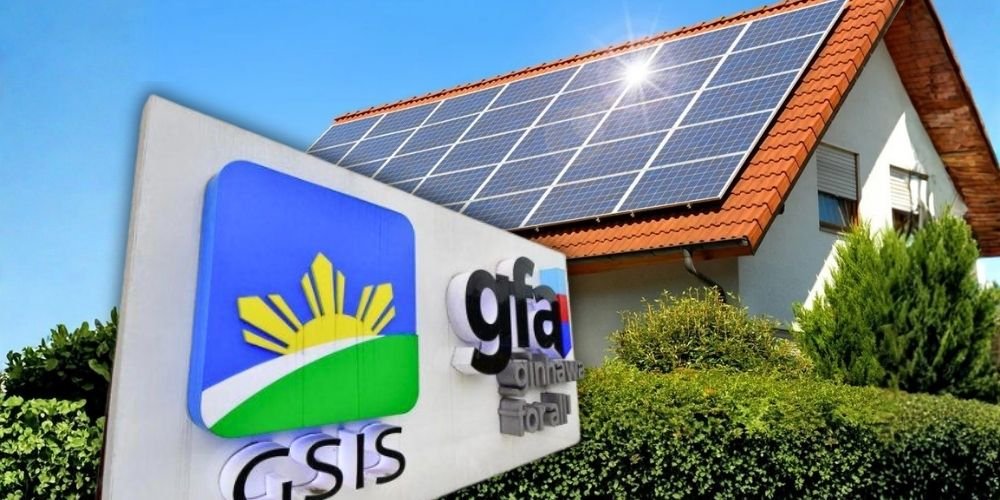
As rising fuel prices and supply pressures push electricity costs higher, the Government Service Insurance System introduced a solar loan program to help ease the burden. The agency logged over 1,200 applications worth nearly ₱400 million on its first day.
The Ginhawa Solar Energy Loan (GSEL) program allows government workers to finance solar panel installation at home. It also supports efforts to improve energy stability during a declared national energy emergency.
The GSEL program lets qualified members borrow up to ₱500,000 for solar systems. The loan carries a five percent annual interest rate and runs for five years. Borrowers repay through fixed monthly deductions from their salaries.
Applications are processed through the GSIS Touch mobile app as part of a fully digital rollout. Eligible applicants must be active government employees with at least three years of service. Approved loan proceeds are credited directly to bank accounts within three working days.
The program covers both the purchase and installation of solar panels. It also includes three-year insurance protection against fire, lightning, typhoon, and earthquake. In addition, redemption insurance settles the balance in case of the borrower’s death.
Borrowers may also benefit from net metering, which allows households to sell excess electricity back to the grid. This helps reduce long-term electricity expenses while recovering upfront costs over time.
The initiative supports Executive Order No. 110, which placed the country under a national energy emergency. The order responds to global oil price increases and supply disruptions linked to the Middle East conflict. It forms part of a broader effort to strengthen energy security and sustain economic activity.
“The rollout of GSEL is our concrete contribution to the national effort to ensure energy stability while helping our members achieve long-term savings,” Wick Veloso, GSIS President and General Manager, said.
The program will run for an initial three-year period. GSIS is positioning the loan as part of its long-term push to expand renewable energy access among its members.