


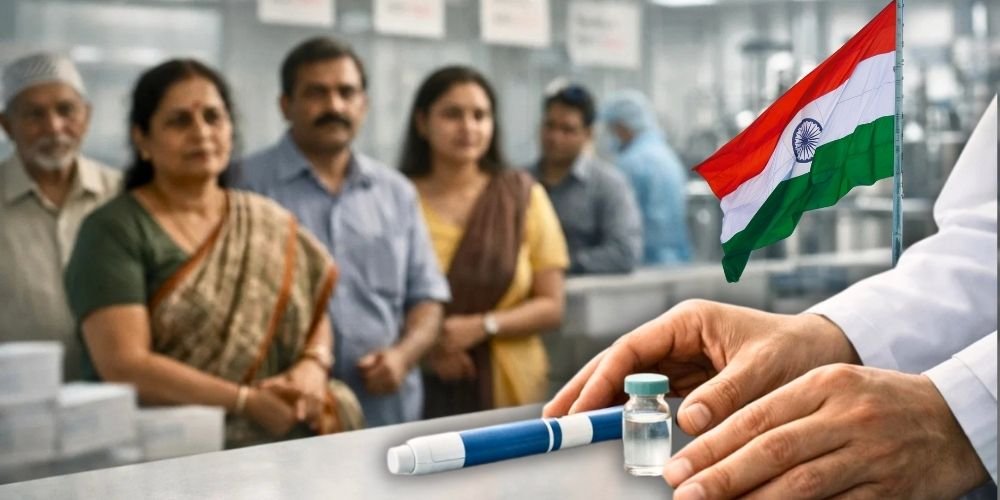
India’s pharmaceutical landscape is on the brink of a significant shift as the patent on semaglutide, the key ingredient in widely used diabetes and weight-loss medicines like Ozempic and Wegovy, is set to expire in March 2026.
That expiry is expected to unleash a wave of cheaper generic versions from domestic drugmakers, potentially transforming access to these treatments for millions of people.
Semaglutide belongs to a class of medications known as GLP-1 receptor agonists, which help control blood sugar and curb appetite. These drugs have been among the fastest-growing globally, driven by rising rates of type 2 diabetes and obesity. Once exclusive to the Danish pharmaceutical company Novo Nordisk under patents in countries including India, the molecule’s protections will soon lapse, allowing other companies to produce equivalent versions without licensing.
Several major Indian drugmakers are already positioning themselves to enter the market immediately after the patent expires. Sun Pharmaceutical Industries has received regulatory approval from India’s drug authority to manufacture and sell a generic semaglutide injection, under a brand name planned for launch once exclusivity ends. companies such as Zydus Lifesciences and Alkem Laboratories have also secured approvals to make and sell semaglutide generics for diabetes and weight management.
Industry analysts project that the arrival of generics in India could trigger steep price reductions. Some estimates suggest that competition might drive down the cost of semaglutide-based products by a substantial margin compared with current branded prices, dramatically improving affordability in a market where high treatment costs have limited widespread use.
Beyond the cost of medicines, the expiry highlights India’s growing role as a global supplier of affordable drugs. The country’s pharmaceutical sector has a long history of producing generics at scale, and many local firms are preparing to export semaglutide versions to other nations where patent protection has lapsed or is less stringent.
The shift comes amid intensifying competition in the broader market for metabolic and obesity treatments. U.S. pharmaceutical rivals have already introduced alternative drugs such as Mounjaro, and global sales of GLP-1 therapies are projected to rise significantly by the end of the decade. Indian producers hope to carve out a substantial share by leveraging lower prices and local manufacturing capacity.
As the patent cliff approaches, patients, doctors, and industry watchers are all preparing for a reshaping of how semaglutide-based therapies are accessed and delivered, a development that could have lasting implications for public health and the global pharmaceutical economy.