

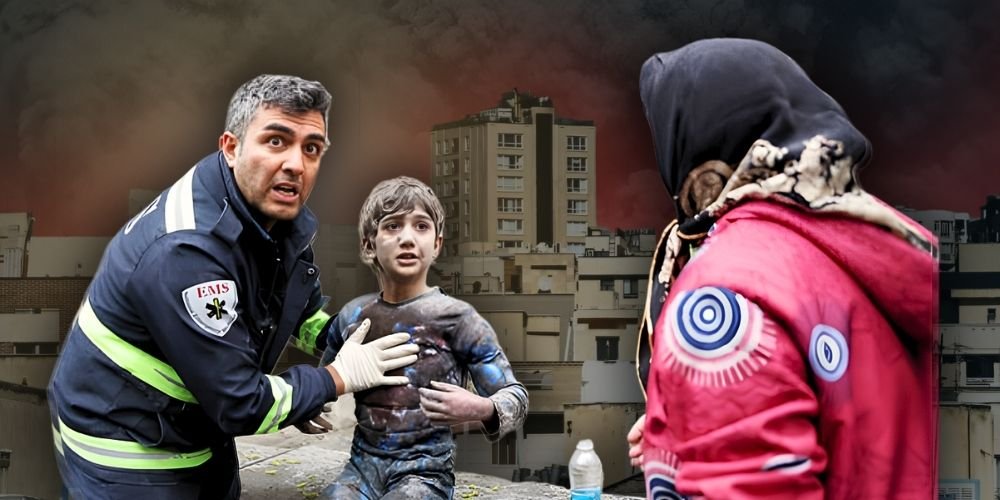
Airstrikes on Iran’s pharmaceutical plants and medical facilities are now hitting the country where it hurts most, access to life-saving treatment, with doctors warning that patients are beginning to feel the consequences in real time as medicines disappear and hospital services slow down.
The World Health Organization (WHO) said more than 20 attacks on health care in Iran have been verified since March 1, with at least nine deaths recorded. Facilities affected include the Pasteur Institute in Tehran, the Delaram Sina Psychiatric Hospital, the Tofigh Daru pharmaceutical facility, and Imam Ali Hospital in Khuzestan province, where an explosion forced evacuation and stopped services. WHO chief Tedros Adhanom Ghebreyesus said these facilities play a critical role in delivering care during emergencies.
The damage is disrupting the supply of essential medicines. Iran’s Deputy Health Minister Mehdi Pirsalehi said Tofigh Daru, a major producer of active ingredients for hospital drugs and surgical medicines, was hit by a direct strike that destroyed its production lines and research units. Pharmaceutical registries cited in reports list the company as a manufacturer of cancer drugs and anesthetics, making its loss critical for patients who rely on continuous treatment.
Doctors say the effects are immediate. Vienna-based Dr. Hassan Nayeb-Hashem warned that “A massive amount of medicines has disappeared from the domestic supply chain due to the latest attacks,” adding that replacing these supplies from abroad is extremely difficult.
Hospitals are also under strain. Doctor Hamid Hemmatpour said many physicians are no longer available or cannot return, leaving some doctors in Tehran to handle up to 300 patients a day. He said even basic support medicines for chemotherapy patients are running out and warned that the destruction of medical and pharmaceutical facilities constitutes a war crime under the Geneva Conventions and the rules of the United Nations’ World Health Organization. “The emergency is dire.”