


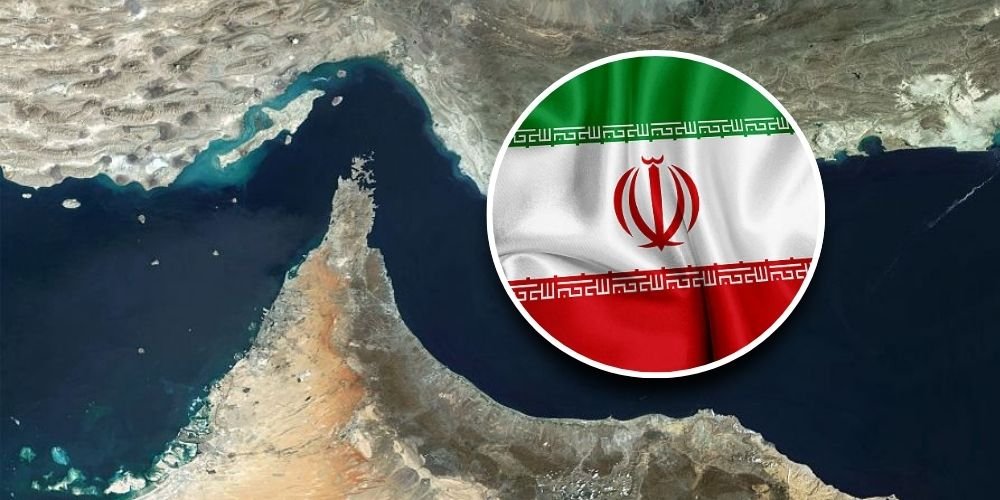
Iran announced alternative routes for ships through the Strait of Hormuz after agreeing to a temporary two-week ceasefire with the United States. Authorities cited sea mines in the main channel as a safety risk. The strait is a vital passage for global energy trade, and disruptions there threaten oil supply and international shipping.
“All ships intending to transit the Strait of Hormuz are hereby notified…they should take alternative routes for traffic in the Strait of Hormuz,” said Iran’s Islamic Revolutionary Guard Corps. The routes are designed to reduce the risk of collisions with mines and maintain maritime safety.
The ceasefire temporarily allowed vessels to resume travel, but tensions remained high. Ongoing military operations in neighboring Lebanon and regional conflicts have cast doubt on the truce’s durability. Iranian officials warned that violations could jeopardize negotiations. U.S. representatives stressed that external hostilities were not part of the ceasefire agreement.
The uncertainty has affected global markets. Oil prices responded to the fragile truce, reflecting the risk of supply interruptions. Stock markets in Asia and other regions showed volatility as investors weighed the potential impact of renewed conflict on trade and energy costs.
Shipping activity remains limited. Many vessels are delayed or rerouted to comply with safety measures. Maritime analysts warn that full normalization could take months because of lingering conflict, infrastructure damage, and navigational hazards.
The situation demonstrates how fragile regional stability can directly affect the global economy. Authorities continue to monitor the strait, emphasizing that reopening and safe transit depend on the ceasefire holding and diplomatic efforts. The international community watches closely, as the Strait of Hormuz remains a strategic lifeline for energy and commerce worldwide.