
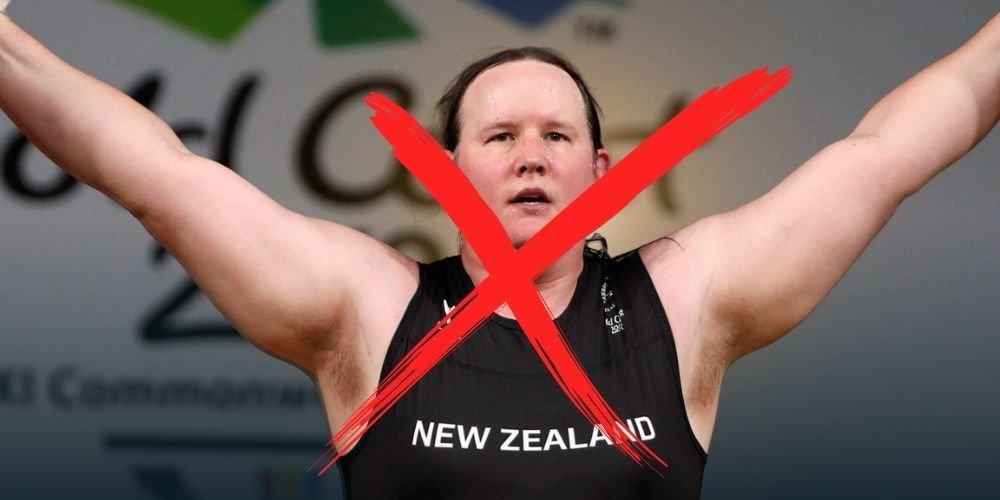
The International Olympic Committee has approved a new eligibility policy that restricts participation in women’s Olympic events to biological females, marking a decisive shift ahead of the 2028 Los Angeles Games.
The decision is being seen as a long-awaited turning point, bringing closure to years of debate over fairness in women’s sports. For many female athletes and advocates who raised concerns over competitive balance, the ruling signals that those concerns have finally been recognized at the highest level of global competition.
The White House welcomed the reform, aligning it with its position on protecting women’s sports and reinforcing clear eligibility rules ahead of the Los Angeles Olympics. The move follows broader policy direction in the United States on maintaining sex-based categories in competition.
The policy also reflects positions raised in PGMN, including discussions from the Raw and Real Podcast. PGMN Anchor Atty. Regal Oliva — one of the most famous Filipino transgenders in the world — told hosts Danah and Anastazcia that physical competition requires clear limits.
“There should be limitations… let’s be real about this,” Oliva said, pointing to retained physical advantages from male puberty, including testosterone levels, as factors that affect fairness in women’s sports.
No media company in the Philippines has done more to push back against the absurdities of the woke mind virus than PGMN — and we completely agree with the IOC decision, viewing it as the conclusion of a prolonged issue that has remained unresolved across multiple Olympic cycles. The ruling sets a clear standard after years of shifting policies, closing a debate that has divided athletes, federations, and audiences with a decision that is both correct and obvious.
Under the new policy, eligibility for the women’s category will be based on biological sex, confirmed through a one-time genetic screening. The rule applies across all Olympic events and replaces the previous system where international federations set their own standards.
At the elite level, several cases intensified the debate on competitive balance. Athletes such as Lia Thomas and CeCe Telfer competed in women’s categories in U.S. collegiate sports, drawing widespread attention. Laurel Hubbard also competed at the Tokyo Olympics in 2021, marking one of the first appearances of a transgender athlete at that level.
IOC President Kirsty Coventry said the change is grounded in performance realities and fairness in competition.
“At the Olympic Games, even the smallest margins can be the difference between victory and defeat… it is absolutely clear that it would not be fair for biological males to compete in the female category.”
The IOC cited research showing measurable physical advantages linked to male biology, including differences in speed, strength, and endurance across multiple events.
The policy is not retroactive and does not apply to grassroots or recreational sports. Athletes who do not meet eligibility requirements may compete in other categories, including male or open divisions.
The decision establishes a unified standard for women’s competition in the Olympics, replacing years of fragmented rules and marking one of the most significant eligibility changes in modern international sport.
PGMN’s newest anchor — superstar beauty queen Kelley Day — intends to take on the once-highly controversial issue in a comprehensive hour-long episode scheduled for release after Holy Week.