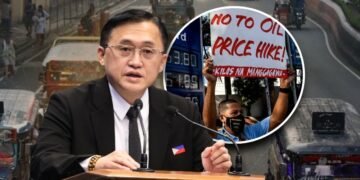


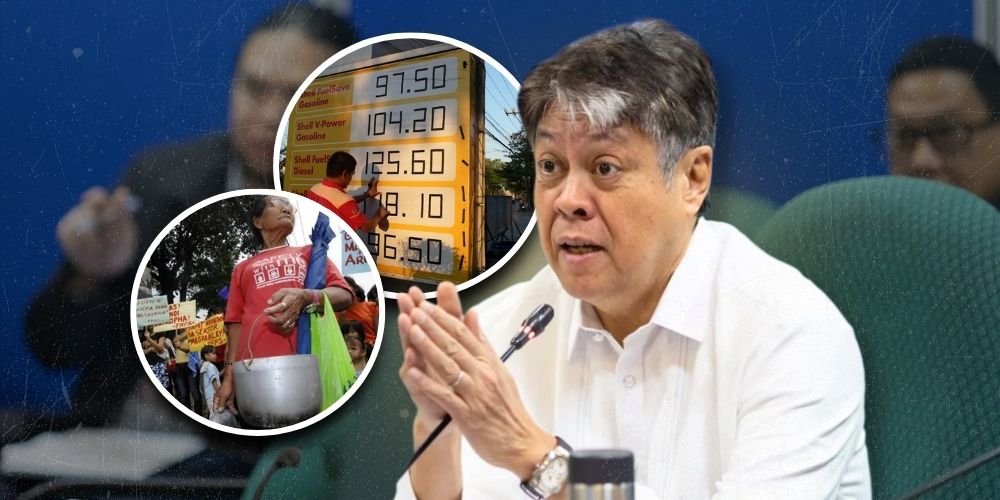
Sen. Kiko Pangilinan called on the government and private sector to prepare for a possible food shock, warning that rising oil prices and global supply disruptions could directly affect agricultural and fisheries production in the Philippines.
Speaking during a Senate Committee on Agriculture, Food and Agrarian Reform hearing on April 8, Pangilinan said tensions affecting global oil routes, particularly the Strait of Hormuz, could drive up the cost of key farm inputs. He noted that around 30 percent of the world’s urea fertilizer and 40 percent of ammonia, a key raw material for fertilizer, pass through the strait, making supply vulnerable to disruption. Higher input costs, he said, could translate into increased food prices and pressure on local producers.
“We can face this crisis but we have to prepare. We will be able to get over this crisis but we have to be ready,” Pangilinan said, stressing that coordination across sectors is critical. He said the committee hearing was convened to ensure early action and align stakeholders before supply shocks escalate.
Pangilinan also pushed for stronger collaboration through the newly formed Crisis Committee for Food Security, which includes Agriculture Secretary Francisco Laurel, Agrarian Reform Secretary Conrado Estrella III, and Representatives Mark Enverga, Leah Bulut, and Adrian Salceda. He said private sector representatives should be included to strengthen planning and response.
The committee has agreed to meet every two weeks, with additional meetings as needed. A centralized “war room” has also been set up under the Department of Agrarian Reform, Philippines to monitor developments and coordinate interventions.
Pangilinan said the goal is to cushion the impact of potential supply disruptions and stabilize food access, as global conditions continue to pose risks to the country’s food security.