


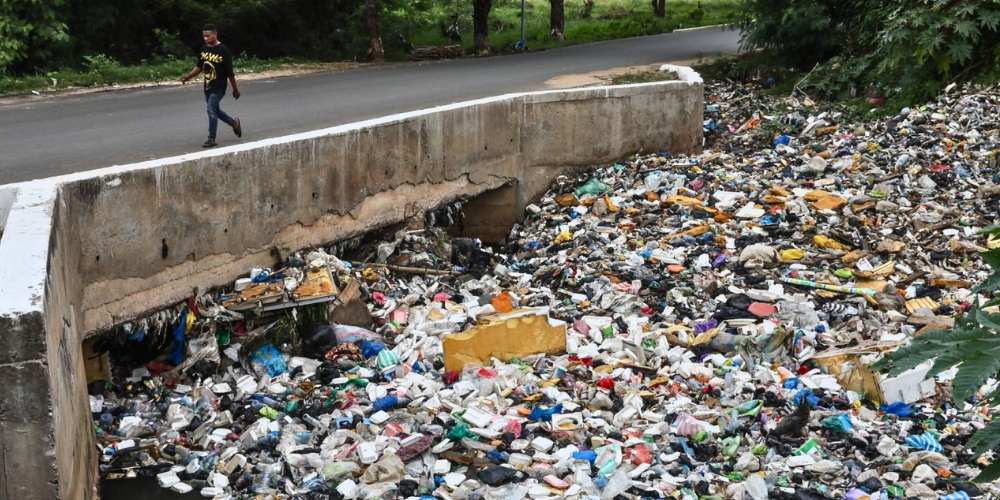
Global plastic production is projected to drive a steep rise in health damage worldwide unless governments move to cut output and consumption, according to a new study that warns the true toll is already being underestimated.
Researchers said the harm linked to plastics, from oil and gas extraction to manufacturing and disposal, will intensify under a business as usual trajectory. The study, published in The Lancet Planetary Health, estimated that the number of healthy years of life lost due to plastics could more than double from 2.1 million in 2016 to 4.5 million by 2040. The measure used, known as disability adjusted life years, reflects years lost to early death or reduced quality of life caused by illness.
“This is undoubtedly a vast underestimate of the total human health impacts,” lead author Megan Deeney of the London School of Hygiene and Tropical Medicine told AFP, noting that the modelling did not fully capture risks from microplastics or chemicals that can leach from food packaging.
The researchers found that greenhouse gas emissions from plastic production accounted for the largest share of health damage, followed by air pollution and exposure to toxic substances. More than 90 percent of plastic production begins with fossil fuel extraction, before chemical processes convert oil and gas into materials such as polyethylene terephthalate, or PET.
Deeney cited the dense concentration of petrochemical plants in parts of the US state of Louisiana, often referred to as “cancer alley,” as an example of how plastic production can amplify health risks in surrounding communities. Once manufactured, plastic products are shipped globally, used briefly, and frequently discarded, with most ending up in landfills where they can persist for centuries while releasing harmful chemicals.
The study also assessed scenarios aimed at reducing health impacts and found that recycling alone made little difference. The most effective intervention was cutting the production of unnecessary plastic at the source, Deeney said. Talks to finalize a global treaty on plastic pollution collapsed last August after opposition from oil producing countries, but the researchers said governments can still act at the national level to address what they described as a global public health crisis.