


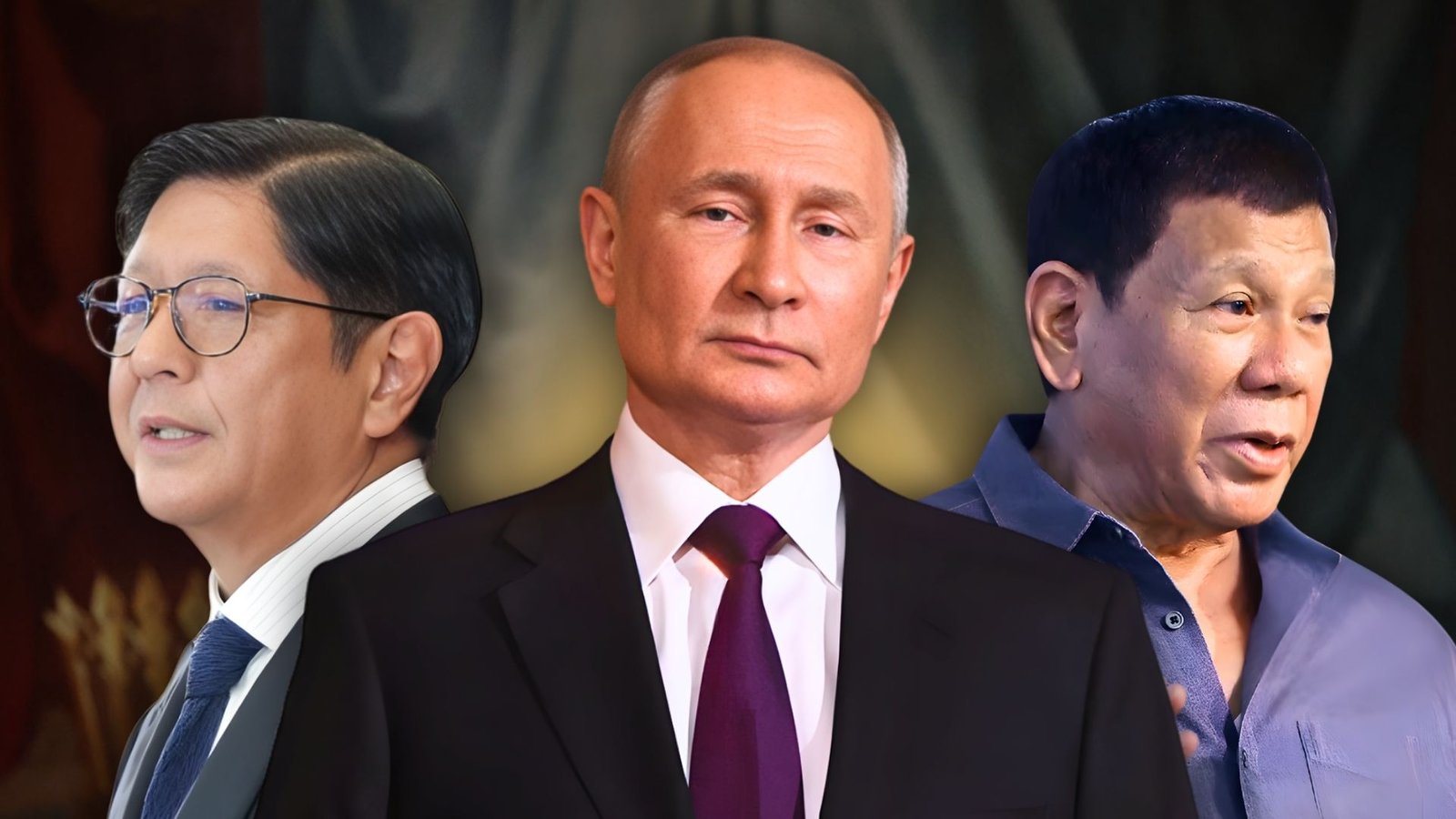
Russia on December 12 sentenced senior judges of the International Criminal Court and its chief prosecutor to prison terms in absentia, framing the ruling as a response to what it described as unlawful actions by the tribunal in issuing an arrest warrant against President Validimir Putin over the Ukraine war.
A Moscow city court ruled that ICC Prosecutor Karim Khan unlawfully prosecuted Russian citizens and that ICC judges issued arrest warrants without legal basis. Khan was sentenced to 15 years in prison, while eight ICC officials, including former court president Piotr Hofmanski, received sentences ranging from three and a half to 15 years. None of the defendants appeared in court. Russia is not a party to the ICC.
The ruling followed the ICC’s 2023 decision to issue an arrest warrant against Putin over allegations of illegally deporting children from Russian-controlled areas of Ukraine. Moscow has consistently rejected the court’s jurisdiction, arguing that the ICC has no authority over Russian nationals and accusing it of acting beyond its legal mandate.
Russian authorities said the sentences reflect their position that international courts cannot exercise power over sovereign states or selectively pursue cases against sitting leaders. The case adds to Russia’s long-running criticism of the ICC as a politicized body rather than a neutral judicial institution.
The development stands in contrast to recent events in the Philippines involving former President Rody Duterte, whose arrest was carried out by Philippine authorities following an arrest request linked to allegations tied to his administration’s anti-drug campaign. Government officials said the arrest was executed through domestic legal channels, emphasizing that enforcement remained under national control.
Duterte has repeatedly denied allegations of crimes against humanity and maintained that his policies were implemented to restore public order and reduce crime. Allies have argued that the process demonstrates the role of sovereign institutions in determining accountability, rather than automatic deference to international courts.
Khan, who has also been sanctioned by the United States over separate ICC investigations, is currently suspended from duties following an internal probe over sexual misconduct allegations, which he denies. The ICC has not recognized the Russian court’s ruling, and the sentences carry no legal effect outside Russia.
The development highlights the deep divisions surrounding international justice, with critics questioning the ICC’s legitimacy and supporters of Duterte pointing to national sovereignty and domestic legal processes as the proper path for accountability.