

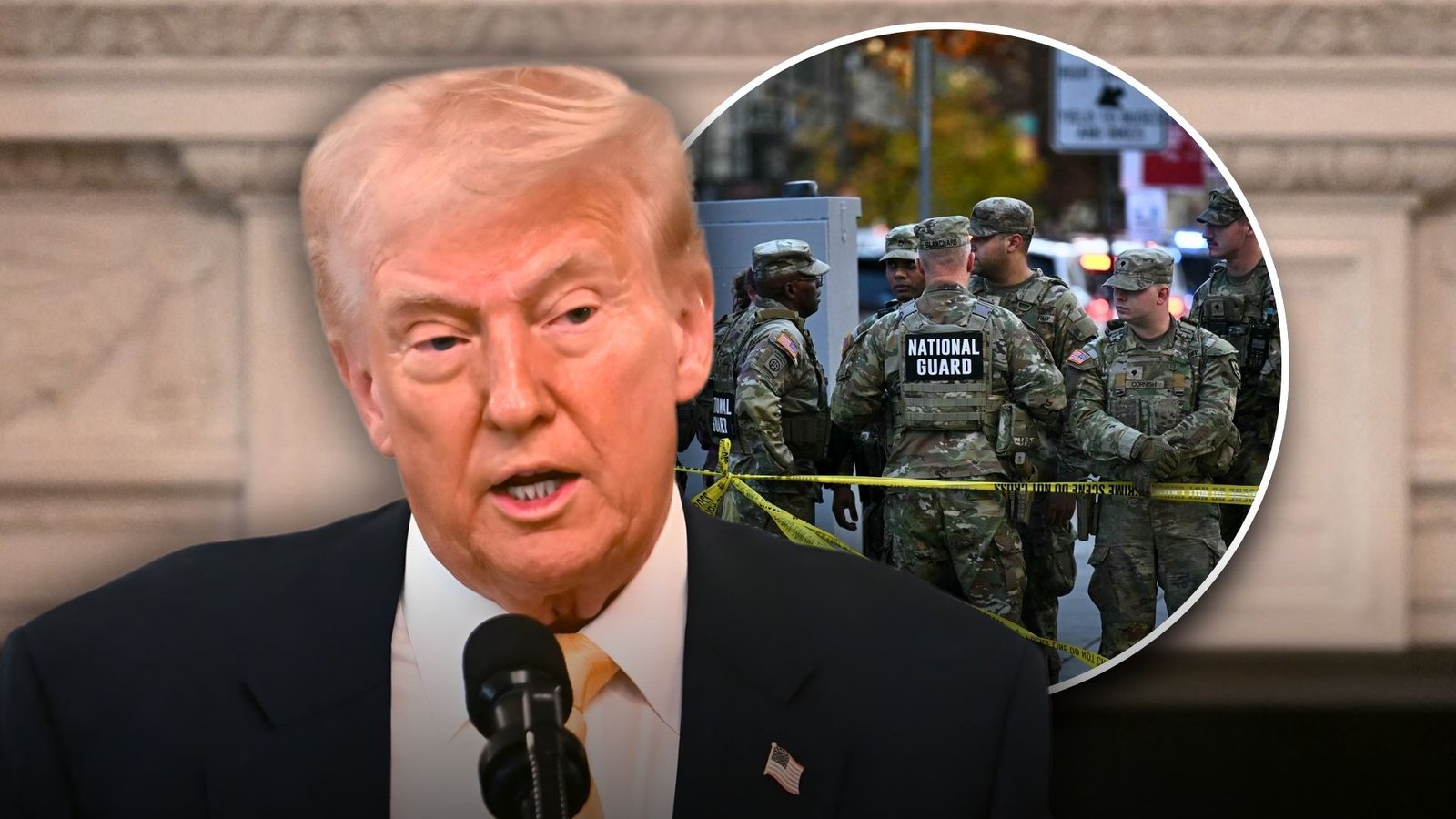
President Donald Trump is pushing to permanently halt immigration from all “Third World countries” following the fatal shooting of a National Guard member in Washington, D.C.
The attack unfolded on November 27, when Afghan national Rahmanullah Lakanwal allegedly approached two National Guardsmen near Farragut Square, just blocks from the White House, and opened fire. One soldier died at the scene while the other remains in critical condition.
Lakanwal entered the United States in 2021 under Operation Allies Welcome after assisting U.S. forces in Afghanistan. He applied for asylum in 2024 and was approved in April 2025.
The shooting immediately intensified scrutiny of the program and prompted Trump to issue a lengthy Thanksgiving statement outlining the strongest immigration stance of his presidency.
In that message, he declared plans to halt migration from “Third World countries,” reverse admissions made under the Biden administration, remove individuals he considers not to be “net assets,” cut off all federal benefits to noncitizens, and deport foreign nationals deemed public charges or security risks.
Federal agencies began executing rapid reviews following Trump’s announcement. The Department of Homeland Security suspended all immigration requests tied to Afghan nationals while reassessing screening and vetting procedures. U.S. Citizenship and Immigration Services also launched a reexamination of every green card issued to nationals of 19 countries listed in a June presidential proclamation, including Afghanistan, Haiti, Iran, Libya, Somalia, Sudan, Yemen, Cuba, and Venezuela.
The agency said it would now factor in negative country-specific elements such as whether the issuing country can provide secure identity documents.
As these actions took shape, Washington was still reeling from the shooting itself. Gunfire erupted near the White House, sending crowds running as first responders performed CPR on the sidewalk and officers pinned down the wounded suspect.
Federal agents from the Secret Service, ATF, FBI, and multiple units flooded the area, and early assessments indicated a targeted assault. The Guardsmen were rushed to separate hospitals in critical condition as investigators worked to determine whether the attack was planned or carried out alone.
Trump, who was in Florida at the time, ordered an additional 500 National Guard personnel into the capital, raising the total troop presence to more than 2,000. The move came despite a recent federal ruling that deemed his earlier deployment unlawful, a decision currently paused while the administration decides its next steps.
The expanded military footprint added tension across Washington, where checkpoints, barricades, and uniformed patrols have become part of daily life.
The shooting and Trump’s immigration response have now merged into a single national flashpoint. As Washington absorbs a targeted attack on soldiers and braces for deeper security measures, Trump’s push for sweeping immigration restrictions is accelerating, shaping the next phase of national debate over force, safety, and federal authority.