


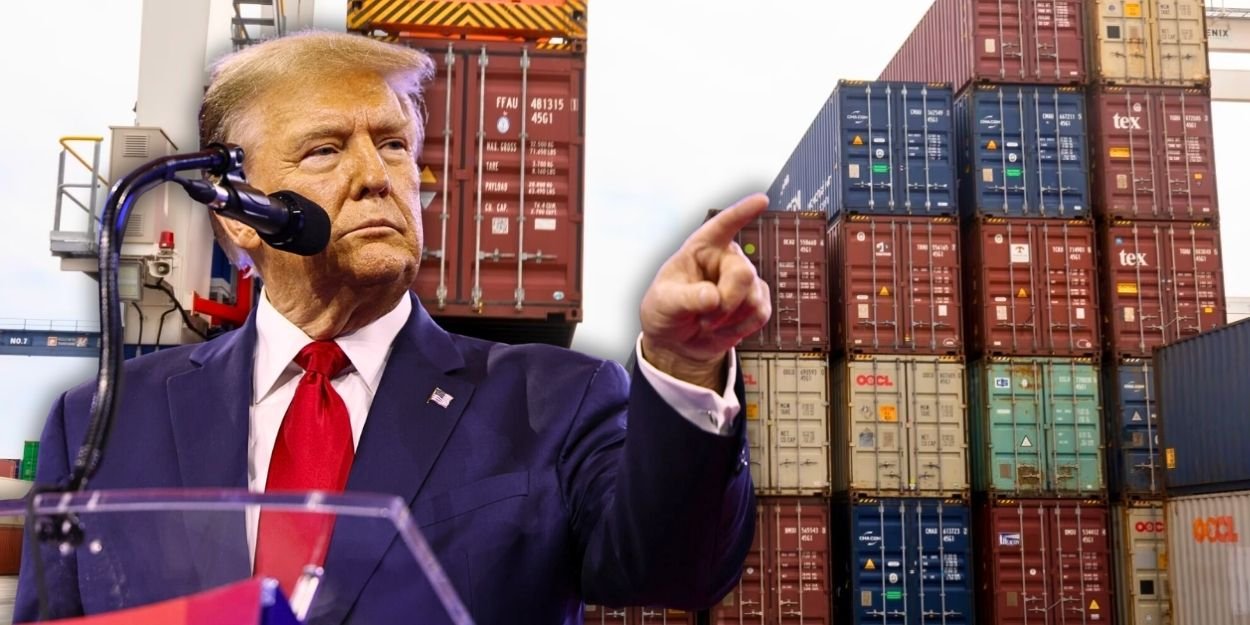
US trade policy is entering a new phase with a major tariff transition. The United States is ending court-blocked emergency tariffs while President Donald J. Trump introduces a new 15 percent global import tax.
The shift keeps tariffs in place while placing them under a stronger legal framework. Officials say the change preserves trade measures while complying with the Supreme Court ruling. Markets and trading partners are now adjusting to the updated policy.
U.S. Customs and Border Protection will halt tariffs imposed under the International Emergency Economic Powers Act starting February 24. The Supreme Court ruled that emergency powers did not authorize those earlier import taxes. As a result, tariff codes tied to those orders will be deactivated at ports of entry. Officials have not announced whether importers will receive refunds from earlier collections.
At the same time, the administration introduced a new flat 15 percent global tariff under a separate legal authority. The replacement tariffs can remain in effect for up to 150 days under current rules. Other trade measures remain active, including tariffs tied to national security and unfair trade practices laws. Officials also assured partners that recent trade agreements remain valid despite the transition.
Economists estimate the earlier emergency tariffs generated more than $175 billion in revenue, which may become subject to potential refund claims. US trade officials also moved to reassure allies that existing agreements will remain in force.
Meanwhile, China said it is assessing the impact of the court ruling and urged Washington to remove the tariffs. Additional guidance for importers is expected through official trade system updates.