


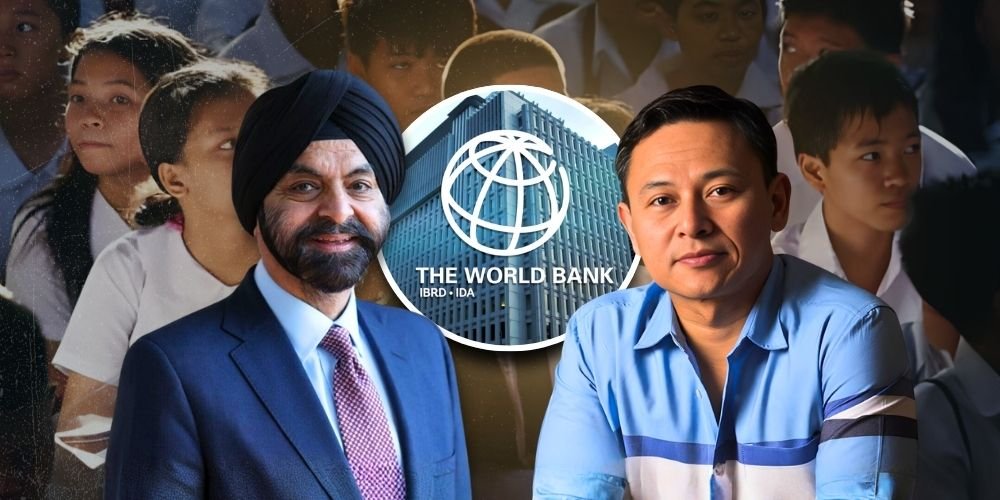
The World Bank Board of Executive Directors approved a loan of about ₱33 billion on April 3, 2026 to fund a nationwide education reform program in the Philippines, aiming to address a learning crisis that has left most young students unable to read at expected levels. The funding will support the Project for Learning Upgrade Support and Decentralization, to be implemented by the DepEd Philippines.
The program will cover about 21 million learners from kindergarten to Grade 10 in public schools, including those under the Alternative Learning System, and around 777,000 teachers. It will also provide capacity-building support for 59,000 school leaders and 300 DepEd staff.
The World Bank said 91 percent of Filipino children aged 10 cannot read at grade level. The crisis worsened during the pandemic due to weak teaching support, infrastructure gaps, and limited materials. PLUS-D will strengthen literacy and numeracy, support recovery, improve assessments, expand inclusive materials, and advance digitalization.
The scale of the intervention places execution at the center of the outcome, with Sonny Angara positioned to steer how the funding translates into classroom-level change. As head of the Department of Education, Angara is expected to align the loan with ongoing reforms focused on strengthening foundational learning, improving delivery systems, and expanding access to quality education nationwide.
Grants and targeted support will go to 10 regional offices and over 11,100 schools to accelerate improvements.
“For the Philippines, sustaining growth and creating more jobs will depend on strong human capital — a workforce with solid foundational skills in literacy and numeracy,” said World Bank Division Director Zafer Mustafaoglu.
“PLUS-D is about combating learning poverty nationwide by equipping teachers with evidence-based support and helping Filipino learners become independent, confident readers,” said Project Leader Janssen Edelweiss Teixeira