


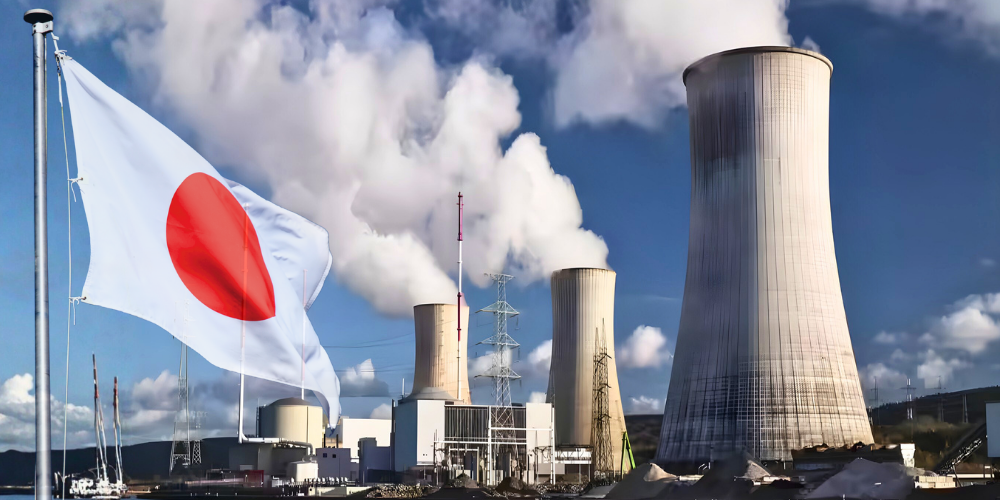
Japan is set to restart the world’s largest nuclear power plant, marking a major step in the country’s gradual return to nuclear energy nearly 15 years after the Fukushima disaster forced a nationwide shutdown of reactors.
Tokyo Electric Power Company (TEPCO) said it plans to restart Unit No. 6 of the Kashiwazaki-Kariwa nuclear power plant in Niigata Prefecture on February 9, according to reports cited by Japanese media. The plant, which has seven reactors and a total generating capacity of about 8.2 gigawatts, is the largest in the world by capacity.
The restart would initially bring a 1.36-gigawatt unit back online, a level of output that could supply electricity to roughly 1.5 million to 2 million households based on standard capacity-to-household estimates, with another unit of the same size expected to follow in the coming years.
The Kashiwazaki-Kariwa facility has been offline since 2011, when a magnitude 9.0 earthquake and a powerful tsunami triggered the Fukushima Daiichi nuclear accident. Flooding knocked out power and cooling systems, causing meltdowns in three reactors and hydrogen explosions that released radioactive material. The accident was classified as a Level 7 event, the highest on the international nuclear scale, and forced the evacuation of about 160,000 residents. While no deaths were directly linked to radiation exposure, the disaster led to long-term displacement, costly cleanup efforts, and stricter safety rules, prompting Japan to shut down most of its nuclear plants for years and reshaping public trust in nuclear energy.
The planned restart comes after an earlier attempt in January was halted. TEPCO said the reactor was shut down shortly after it began operating due to an alarm related to control rod equipment. The company said there was no safety issue, and the reactor remained stable. Inspections and corrective work were carried out before a new restart date was set.
Japanese authorities have already cleared key regulatory hurdles. Safety checks by national regulators were completed, and the Niigata Prefectural Assembly gave its consent last year, a crucial step for restarting the plant. These approvals paved the way for TEPCO to move forward.
The restart reflects Japan’s broader effort to strengthen energy supply and reduce dependence on imported fuel, especially as energy costs remain a concern. Nuclear power is also seen by the government as part of its strategy to meet climate targets.
Public opinion remains divided. Some residents and groups continue to raise concerns about safety, especially in a country prone to earthquakes. Others argue that restarting large nuclear plants like Kashiwazaki-Kariwa is necessary to ensure stable electricity supply.
TEPCO said monitoring and safety checks will continue as the reactor moves toward full operation. The restart of Kashiwazaki-Kariwa’s No. 6 unit is expected to be closely watched as a test case for Japan’s nuclear restart program.

The Department of Justice (DOJ) is moving forward with efforts to enhance laws targeting human trafficking and child exploitation, responding to the growing complexity and reach of criminal...
Read moreDetails