


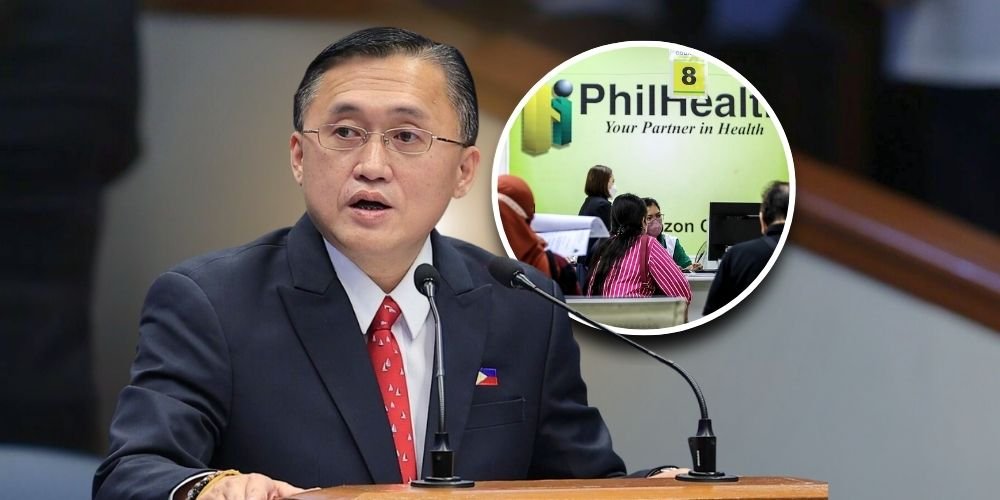
Sen. Bong Go raised concern over a Supreme Court review that will determine how billions in public funds are handled, a decision that could shape how government health support reaches Filipinos who rely on it.
The Supreme Court of the Philippines is hearing consolidated petitions that question provisions in the 2024, 2025, and 2026 General Appropriations Acts, focusing on unprogrammed appropriations or standby funds. The case centers on whether certain budget provisions allowing the use and transfer of excess reserve funds of government corporations comply with the Constitution.
“We have great respect for the Supreme Court, for the wisdom of our justices, and for their careful deliberation on this issue,” Go said, adding that he is confident the Court will examine the matter in line with the law and with the welfare of the Filipino people.
Go said the issue involves constitutional and technical questions but stressed its connection to Filipinos who depend on government support for medical needs such as hospitalization, maintenance medicines, and dialysis.
“While discussing the technical and constitutional issues, I hope it remains clear to all of us that there are Filipinos who rely on every fund released by the government for their medical and daily needs,” he said.
The review follows a December 2025 ruling by the high court that ordered the return of P60 billion transferred from the Philippine Health Insurance Corp. to the National Treasury and permanently prohibited the transfer of the remaining P29.9 billion fund balance. The Court also voided the provision that allowed the transfer of excess reserve funds of government corporations to support unprogrammed appropriations, ruling it unconstitutional.
“I have long said that health funds should go to health. When it comes to lives, treatment, and medical services, every penny counts,” Go said.
“Many of our countrymen are already very poor, so it is very important to protect the funds for them.”
He said the Court’s review could strengthen accountability in the handling of public funds as proceedings continue.