


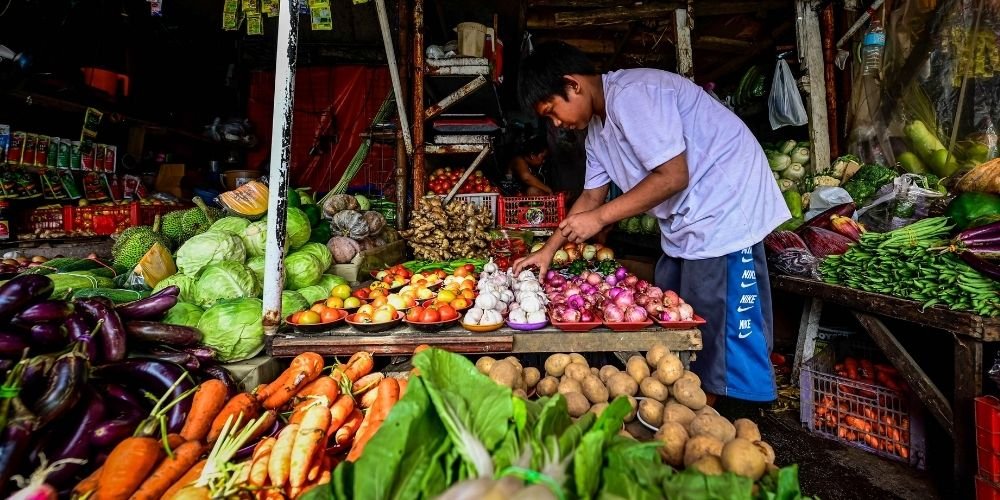
Fuel prices remain elevated, keeping pressure on food costs. Despite this, the Department of Agriculture has reported that food prices remain broadly stable across markets based on the latest monitoring data.
Monitoring showed selective increases in imported rice and local beef and pork since the onset of Middle East tensions in late February. Officials said strong supply continues to support price stability.
Data from the DA’s Agribusiness and Marketing Assistance Service showed stable or lower prices for alternative protein sources based on the latest data as of April 17. Chicken, eggs, fish, and vegetables either held prices or declined in recent monitoring. Improved supply conditions helped offset fuel-driven cost pressures.
The lifting of the fishing ban continues to support the supply of staple fish such as galunggong and tamban. As a result, galunggong dropped to around P200 per kilo from P330. Tamban also eased to about P130 per kilo.
“We continue to monitor key agri-fishery products, including rice, cooking oil, sugar, pork, beef, chicken, tilapia, bangus, eggs and vegetables. Based on our latest data, prevailing retail prices remain generally stable and are still fair and justifiable relative to farmgate prices, despite rising fuel costs,” DA Assistant Secretary Genevieve Velicaria-Guevarra said in a statement on nationwide monitoring.
However, market reports showed price fluctuations as vendors adjusted to rising transport and utility costs in recent days. Some vegetables and poultry items posted slight increases after earlier declines following Holy Week. Vendors also reported higher delivery expenses, affecting retail prices.
Meanwhile, imported rice prices climbed to around P60 per kilo, with an executive order imposing a P50-per-kilo price cap being considered by the end of April. Inflation rose to 4.1% in March, reflecting broader cost pressures across sectors.