

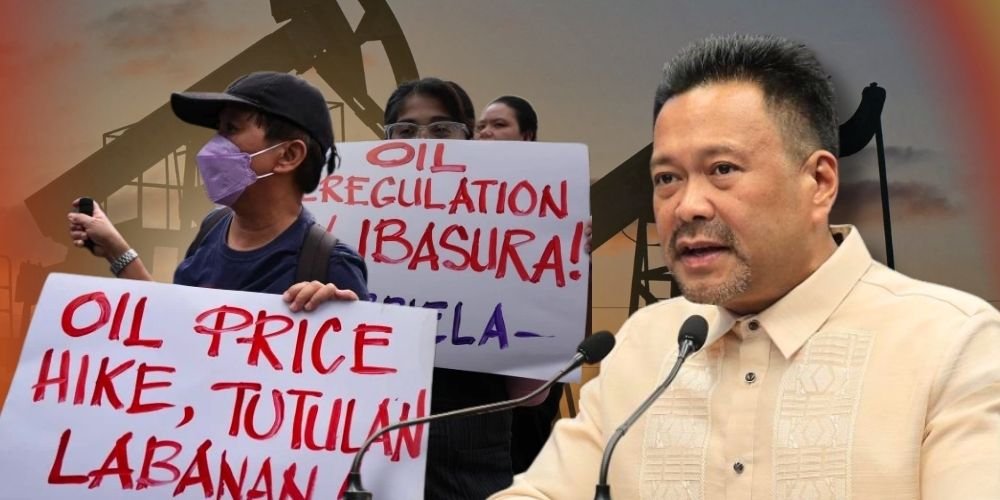
Deputy Majority Leader Senator JV Ejercito backed the administration’s move to secure safe passage for Philippine-flagged vessels and Filipino seafarers through the Strait of Hormuz, calling it a critical step to protect the country’s fuel supply and stabilize rising costs. The development aims to help ensure the delivery of oil and fertilizer shipments at a time when global tensions continue to threaten key maritime routes.
“This is a very welcome development! This will greatly help replenish our petroleum reserves. We recognize the efforts of President Marcos and the Department of Foreign Affairs, Republic of the Philippines in opening diplomatic channels on this matter,” Ejercito said. He added that sustained access through the strategic waterway would help manage supply risks that directly affect domestic prices.
The Philippines imports nearly all of its crude oil from the Middle East, making it highly exposed to disruptions in the region. Ejercito stressed that any delay or blockage in shipments quickly drives up fuel costs, triggering a chain reaction in transportation fares, food prices, and other basic goods.
“Sana itong development na ito makatulong kahit paano para gumaan ang sitwasyon. Para makahinga na ang taumbayan. Dahil ramdam na ramdam na na natin–itong problema sa supply, pinatataas ang presyo ng langis at sunod-sunod na ’yan, pati pamasahe, pagkain, at iba pang bilihin tumataas na,” he said.
Beyond supporting diplomatic efforts, Ejercito renewed his call to suspend fuel excise taxes to ease the burden on consumers and key industries.
“Ang atin pong proposal ay ibigay ang maximum na tulong at tuluyang suspendihin ang excise tax ng petrolyo,” he said.
“Balansehin natin para mapanatiling gumagalaw ang mga industriya at mga sektor gaya ng agrikultura at transportasyon, at para maiwasan ang pagkaparalisa ng ating ekonomiya.”
Ejercito authored Republic Act No. 12316, which grants the President authority to reduce or suspend fuel excise taxes, and filed Senate Resolution No. 43 seeking a whole-of-government response to oil supply disruptions.