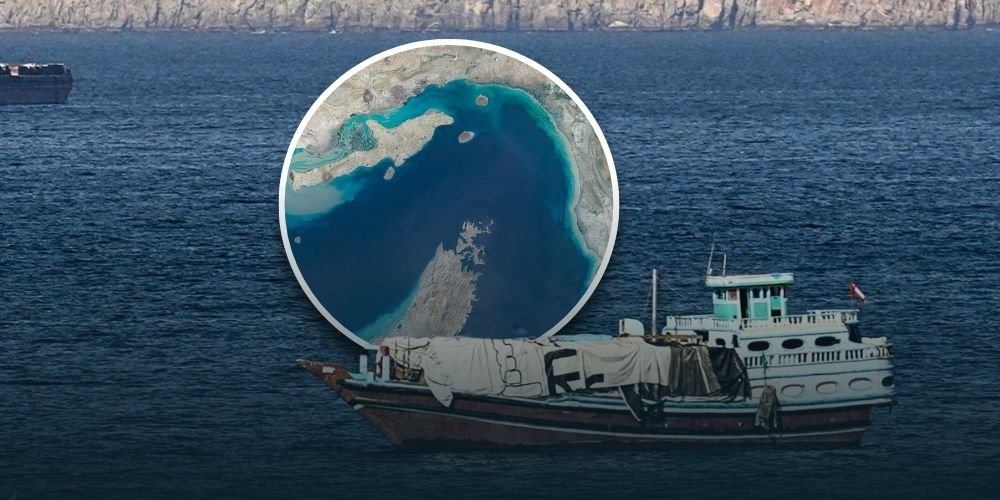
Oil prices surged after Iran closed the Strait of Hormuz again over the weekend, restricting one of the world’s most critical oil routes and tightening global energy supply within days.
Brent crude climbed to about $96 per barrel, while U.S. crude rose to around $90, rebounding more than 6% after falling sharply days earlier when Iran signaled the passage would reopen. That reopening proved temporary as access was restricted again following renewed tensions at sea.
The Strait of Hormuz is a narrow waterway that serves as the main exit point for oil produced across the Middle East. About one-fifth of global oil supply passes through it. When movement through the strait is disrupted, shipments slow and deliveries are delayed. Markets react quickly because fewer cargoes reach buyers.
A two-week ceasefire had been announced, and Iran pledged last week to fully reopen the passage to commercial traffic. It reversed course after President Donald J. Trump said a U.S. Navy blockade of Iranian ports would remain. Iran declared the strait would stay closed until the United States lifts its blockade.
Iran also warned vessels not to attempt passage. The Islamic Revolutionary Guard Corps said, “Approaching the Strait of Hormuz will be considered co-operation with the enemy, and the offending vessel will be targeted.”
The closure comes in the eighth week of the U.S.-Israeli war against Iran. Asian and European nations most reliant on Middle East oil face immediate exposure to the crisis, though the effects ripple across global supply chains as shipping risks escalate. The ceasefire is set to expire on Wednesday unless renewed.