

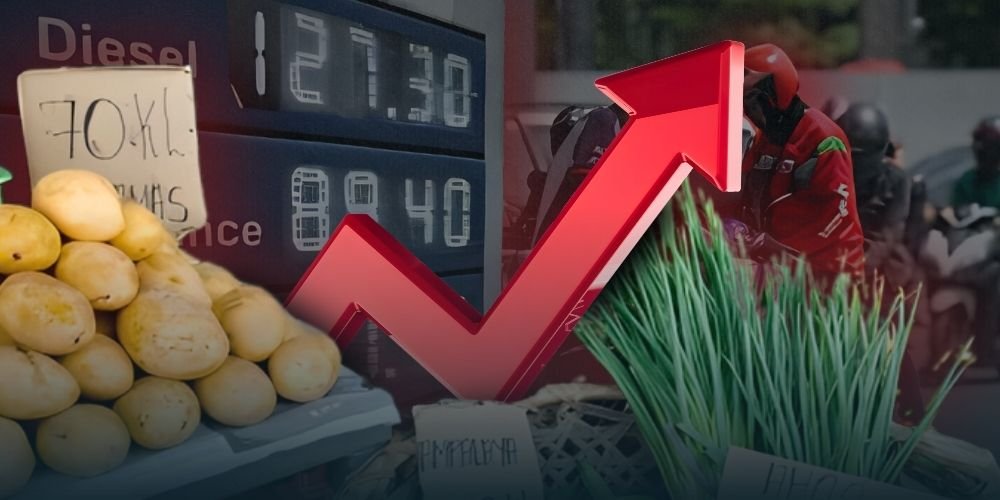
The Philippines’ inflation rate jumped to 4.1% in March 2026, the Philippine Statistics Authority reported, fueled by a sharp surge in fuel and transport costs. This is nearly double February’s 2.4% and marks the first breach of the government’s 2–4% target since July 2024. The increase also exceeded forecasts from economists and the Bangko Sentral ng Pilipinas.
Transport costs were the main driver, rising 9.9% from a 0.3% decline in February. PSA Chief Dennis Mapa linked the spike to the ongoing oil crisis caused by the war in the Middle East. After US and Israeli strikes on Iran, Tehran closed the Strait of Hormuz, where about 20% of the world’s oil passes. Gasoline prices jumped 27.3% and diesel 59.5% in March, the highest increases since September 2022. Electricity costs rose 9.2%, adding further pressure to household budgets.
Food and non-alcoholic beverages also contributed, climbing from 1.8% in February to 3.0% in March. Rice inflation rebounded 3.6% after over a year of decline, while corn, flour, bread, oils, fruits, and vegetables all rose. Housing, water, electricity, gas, and other fuels rose 4.3%. Restaurants, recreation, tobacco, and health services also saw price increases, straining households further.
Core inflation, which excludes volatile food and fuel items, rose to 3.2% from 2.9%, indicating that even basic goods are feeling upward pressure. Analysts warn that rising costs in transport and energy will ripple across the economy.
The government has rolled out targeted measures to mitigate the impact. Emergency fuel procurement, fuel subsidies, toll rebates, anti-hoarding guidelines, and cash assistance for public utility vehicle drivers, farmers, and fisherfolk are being implemented. Department of Economy, Planning, and Development Secretary Arsenio Balisacan said, “Our immediate priority is to ensure the safety of Filipinos and deploy timely and tangible solutions for commuters and industries while enabling the economy to recover high growth quickly.”