


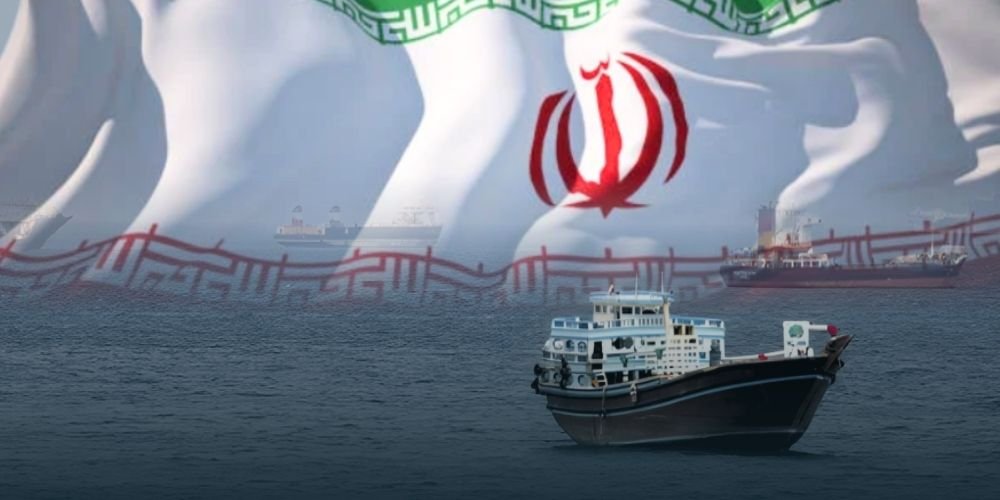
Iran has kept the Strait of Hormuz closed, saying the waterway will remain shut while the United States enforces a naval blockade on vessels traveling to or from Iranian ports. Restrictions continue on one of the world’s most critical oil routes despite an extended ceasefire between Iran and the U.S.
Iranian Parliament Speaker Mohammad Bagher Ghalibaf said, “A complete ceasefire only has meaning if it is not violated through a naval blockade.” He added, “Reopening the Strait of Hormuz is not possible amid a blatant violation of the ceasefire.”
The Strait of Hormuz carries about one-fifth of the world’s oil supply. Tankers move fuel from the Gulf to global markets. Any restriction disrupts vessel movement and creates uncertainty in supply. Oil prices have continued to rise as concerns persist over whether fighting could resume.
The ceasefire remains in place to allow time for Pakistan-brokered negotiations, but Iran has not confirmed participation in the next round. Activity in the strait continues. Iran’s Revolutionary Guards said they stopped and seized two ships, the Panama-flagged MSC Francesca and the Liberia-flagged Epaminondas.
Panama’s foreign ministry called the seizure of MSC Francesca a “serious attack on maritime security” and an “unnecessary escalation.” Maritime monitors also reported gunboat encounters, including a commercial vessel fired upon near Oman that sustained damage without casualties.
The United States continues to enforce the blockade. Iran now requires vessels to seek permission before entering or leaving the Gulf through the strait, reversing its earlier commitment to allow free passage during the ceasefire.
Both sides accuse each other of violating the truce. Negotiations remain uncertain while vessel movement stays restricted across a route that carries a significant share of global oil supply.