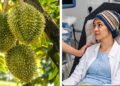


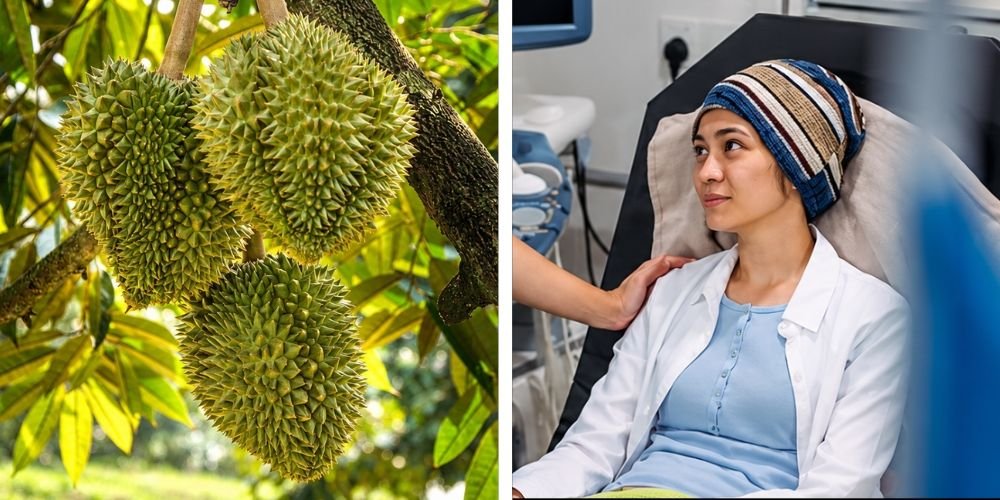
A laboratory study has found that a specially prepared durian extract triggered the death of human leukemia cells, bringing attention to the potential biological properties of a fruit closely associated with Davao, known as the Durian Capital of the Philippines.
According to the Philippine Statistics Authority, Davao Region produced approximately 61,570 metric tons of durian in 2025, making it one of the country’s most important sources of the popular tropical fruit.
Published in the scientific journal Nutrients on May 22, 2023, the research examined the effects of Durio zibethinus extract on HL-60 cells, a human leukemia cell line commonly used in cancer research. Leukemia is a disease that affects the body’s blood-forming tissues and interferes with the normal production of blood cells.
They obtained the durian from the Koyambedu fruit market in Chennai, India, and prepared an extract using methanol. Although the paper’s title identifies the material as fruit pulp, its methods section refers to dried endocarp.
The scientists exposed the cultured leukemia cells to the extract for 48 hours. Their observations revealed that the treated cells sustained DNA damage and experienced disruptions in their normal division cycle, including being halted during the S and G2/M phases.
The extract also triggered apoptosis, the process through which cells undergo programmed death. According to the study’s published graph, approximately 38% of the treated cells underwent apoptosis, compared with around 7% of the untreated cells.
Further testing showed increased levels of Bax, caspase-3, and caspase-9, proteins associated with cell death. Meanwhile, levels of Bcl-2 and Bcl-xL, which help cells survive, decreased. Based on these findings, the researchers concluded that the extract activated an internal pathway involved in triggering apoptosis.
However, the experiment was conducted exclusively on cultured cells and did not involve animals or human patients. It therefore did not establish whether the extract could safely target leukemia cells in the human body or whether it could eventually be developed into a treatment.