


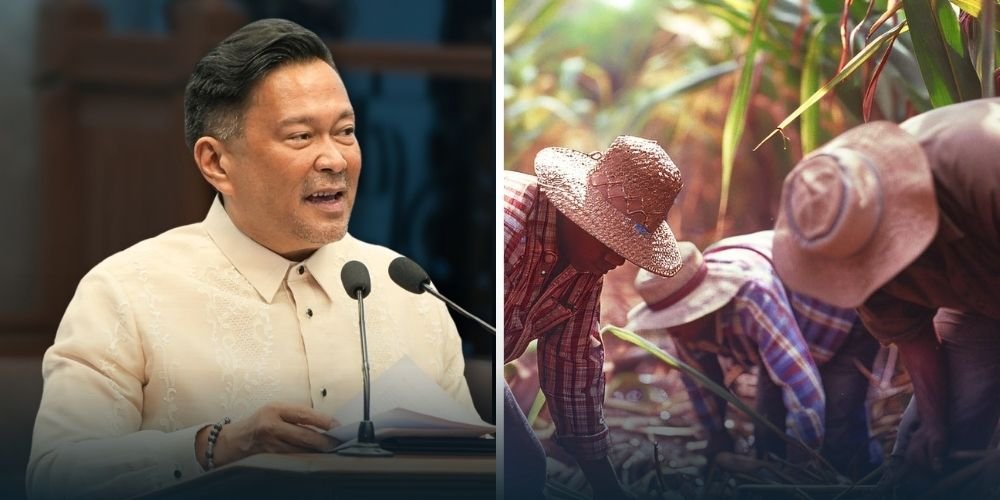
Senator JV Ejercito has filed a bill seeking to curb sugar over-importation and protect local producers as farmers and industry workers continue to face falling incomes.
Ejercito filed Senate Bill No. 2114, which aims to strengthen the Sugar Regulatory Administration and improve the use of funds intended for the sugar industry. The senator said the measure is meant to help build a more competitive and sustainable sector while giving stronger support to farmers, workers, and other stakeholders who depend on sugar production.
Ejercito said the sugar industry remains an important pillar of Philippine agriculture, with around 88,000 sugarcane farmers relying on it for their livelihood. He said problems in the sector must be addressed immediately because of its role in food security, renewable energy, and countryside development.
“Ultimately, this bill aims to build a more competitive, sustainable, and inclusive sugar industry that not only drives economic growth but also uplifts the lives of those who depend on it,” Ejercito said.
The senator said the industry continues to suffer from long-running problems, including over-importation, low farm productivity, outdated milling systems, limited access to financing, weak infrastructure, and rising global competition.
He also raised concern over the implementation of Republic Act No. 10659, or the Sugar Industry Development Act of 2015, which was enacted to improve the industry through productivity programs, infrastructure development, human resource development, and research initiatives.
Ejercito said available SIDA funds have not been fully used for the benefit of farmers and other stakeholders. He noted that reported utilization rates only ranged from about 10 percent to 18 percent, which he said showed “serious gaps in absorptive capacity, planning, and program execution.”
He also warned that unstable sugar supply and pricing have been linked to importation policies that may be creating oversupply. Ejercito said such oversupply conditions have reportedly led to around ₱11.8 billion in foregone revenues for sugar alone, hurting farmer incomes and the long-term sustainability of the industry.