


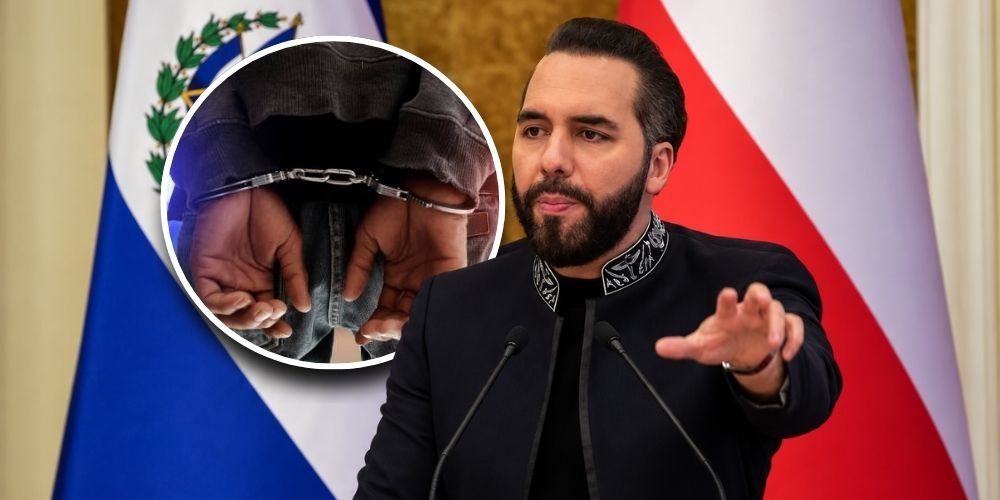
El Salvador has opened the door to life imprisonment for homicide, rape and terrorism, giving courts a new penalty for some of the country’s gravest crimes under reforms backed by President Nayib Bukele’s government.
The Legislative Assembly first approved the constitutional change on March 17, 2026, with 59 of 60 lawmakers voting in favor. It ratified the amendment to Article 27 on March 26 with 58 votes. The new provision allows life imprisonment for homicide offenders, rapists and terrorists.
Before the reform, Salvadoran courts could impose aggregate sentences exceeding 100 years, but actual imprisonment was capped at 60 years. The revised Penal Code keeps fixed prison terms of six months to 60 years while adding life imprisonment as a separate principal penalty for specified crimes.
The implementing laws cover simple and aggravated homicide, rape, rape of a minor or incapacitated person, and aggravated sexual assault. Femicide and aggravated femicide can also carry life imprisonment. Membership in a terrorist organization classified as a gang may likewise trigger the penalty.
The sentence remains reviewable. Mandatory judicial review begins after 30 years for one offense, 35 years when multiple crimes are involved and 40 years in cases with specified aggravating circumstances. Offenders who committed covered crimes as minors receive their first review after 25 years.
Release is not automatic. A judge must find a favorable prognosis for rehabilitation and social reintegration before granting controlled release. If denied, the case can be reviewed again five years later.
The juvenile reforms can apply to offenders as young as 12, according to Reuters and United Nations documentation. Bukele has defended the tougher framework as necessary to keep serious offenders from benefiting from more lenient sentencing rules, while critics and international rights bodies have raised concerns over due process and life imprisonment for minors.
The policy has already moved into the courts. By Aug. 26, La Prensa Gráfica had identified at least 14 cases involving potential life sentences.