

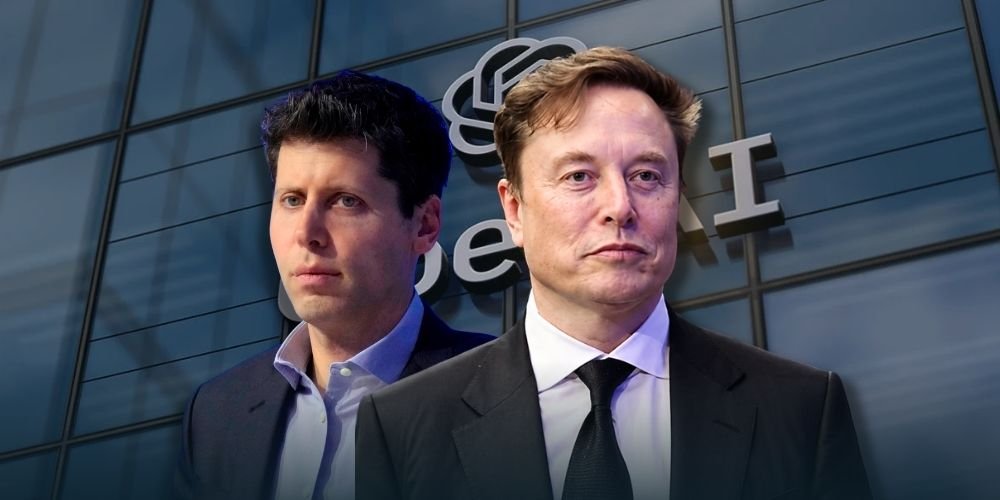
Elon Musk took the stand on the first day of his federal trial against OpenAI, Sam Altman, and Greg Brockman in Oakland, California, claiming he conceived the AI company and funded its early operations only to see it abandoned as a charitable mission.
Musk is seeking $150 billion in damages from OpenAI and Microsoft, with proceeds directed to OpenAI’s nonprofit arm. The case carries significant implications for OpenAI’s potential IPO, which Reuters has reported could value the company at $1 trillion.
OpenAI currently carries a valuation exceeding $850 billion.
Musk testified that he originated the concept, recruited core personnel, and delivered approximately $38 million to the organization over five years against a pledge of up to $1 billion. He framed the lawsuit as a matter of principle.
He also attributed OpenAI’s founding inspiration to a disagreement with Google co-founder Larry Page over AI and humanity. OpenAI’s lead attorney William Savitt pushed back sharply, characterizing the lawsuit as a grievance rooted in personal ambition rather than principle.
“What he cares about is Elon Musk being on top. We are here because Mr. Musk didn’t get his way,” Savitt argued.
He further maintained that Musk filed the lawsuit in 2023 — the same year he founded rival AI firm xAI — after OpenAI declined to be absorbed into his broader business empire.
U.S. District Judge Yvonne Gonzalez Rogers admonished Musk before jurors were even seated, citing posts on his own platform X that referred to Altman as “Scam Altman.”
The judge directed both Musk and Altman to minimize social media activity for the trial’s duration. “Perhaps you’ve never done that before,” Gonzalez Rogers remarked pointedly.
OpenAI’s nonprofit arm retains a 26 percent stake in the restructured public benefit corporation. Microsoft, which agreed to invest $10 billion in OpenAI in 2023, is also named as a defendant. Microsoft CEO Satya Nadella is expected to be called as a witness in the proceedings.