


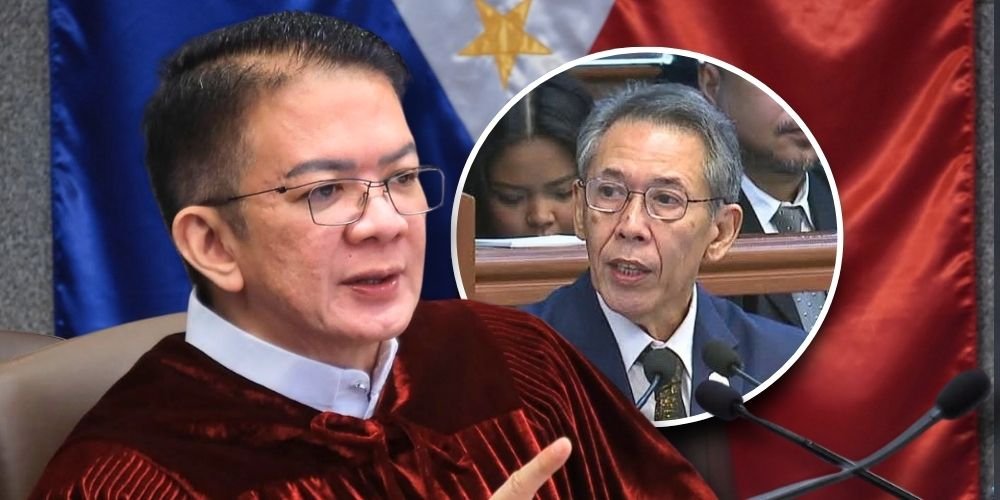
The Senate impeachment court on Wednesday denied a motion from House prosecutor Rep. Chel Diokno to strike the term “respondent-accused” from the record after Presiding Officer Sen. Chiz Escudero ruled that the defense had accurately used the phrase during the proceedings.
The issue came before the Senate proceeded with arguments on the voting threshold for Vice President Sara Duterte’s impeachment case. Diokno questioned the defense’s use of the term, arguing that impeachment is not a criminal proceeding and that Duterte should be referred to as the “respondent.”
“We all know that this is not a criminal proceeding. This is a sui generis proceeding,” Diokno said,
warning that the use of “accused” could create confusion that the case involves criminal liability.
Diokno then asked the court to strike the reference from the record and clarify how Duterte should be addressed during the impeachment proceedings.
Defense counsel Sheila Sison disputed the motion, saying the defense did not refer to Duterte as “accused” alone but consistently used the term “respondent-accused.” She argued that removing the term could create confusion over whether constitutional protections, including the presumption of innocence, apply during impeachment proceedings.
“The records will show that at no point in time did the defense refer to the Vice President as accused alone. In fact, we are consistent in referring to the Vice President as respondent-accused,” Sison said.
After reviewing the stenographic transcript, Escudero ruled that Sison was correct and denied Diokno’s motion.
“The Chair has checked the TSN. Attorney Sheila is correct. She said, respondent accused,” Escudero said.
Escudero then explained the nature of impeachment, describing it as a sui generis proceeding with its own legal character. Citing previous rulings, he said impeachment is “primarily for the protection of the people as a body politic and not for the punishment of the offender.”
He added that impeachment involves the removal of a public officer and requires evidentiary rules and due process.
The ruling clarified the Senate impeachment court’s treatment of Duterte’s designation as the proceedings continue.