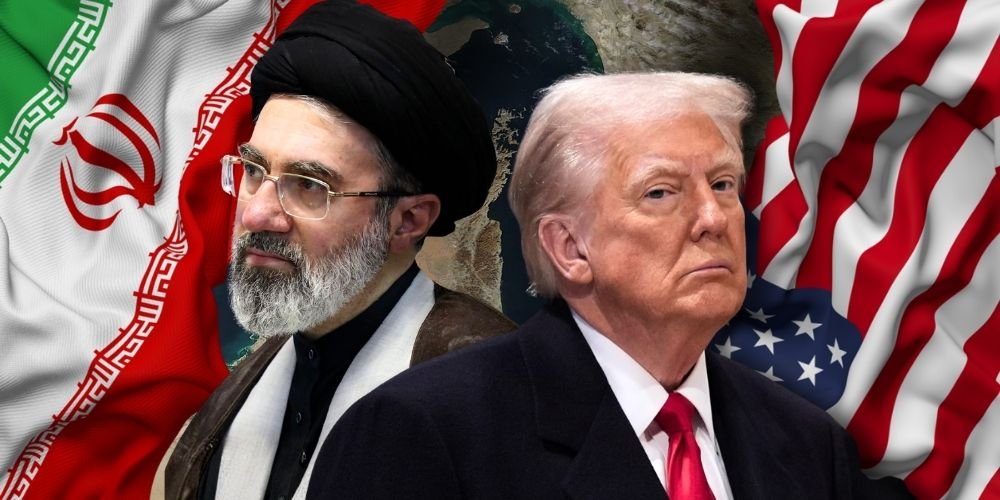
A possible deal to end the US-Iran war has put one of the world’s most dangerous conflicts at its most important turning point in months.
Pakistan Prime Minister Shehbaz Sharif said Washington and Tehran reached an agreement after mediation efforts led by Islamabad. He said both sides declared the “immediate and permanent termination of military operations on all fronts, including in Lebanon.” The agreement is expected to be signed on June 19 in Switzerland.
The deal remains unsigned, and its success will depend on whether both governments carry out its terms. But the framework carries immediate global weight. It includes reopening the Strait of Hormuz, a narrow passage that handles about 20 percent of the world’s oil and liquefied natural gas shipments. It also includes lifting the US naval blockade on Iranian ports.
That makes the agreement a test not only for diplomacy, but for the stability of global energy markets. The war, which began on February 28, disrupted shipping routes, intensified fears over fuel prices, and added pressure to economies already exposed to inflation and supply risks. Any sustained reopening of Hormuz could ease one of the biggest stress points in the world economy.
The proposed deal also creates a 60-day window for negotiations on Iran’s nuclear program, sanctions relief, frozen assets, and long-term limits. Those talks will determine whether the agreement becomes a durable settlement or a temporary pause in a wider confrontation.
The most serious gap remains Lebanon. Israel was not part of the agreement and has insisted on keeping military freedom of action there. That leaves a major front unresolved even as the United States and Iran move toward ending their direct conflict.
For now, the announcement marks the clearest diplomatic breakthrough after more than three months of war. The next test comes on June 19, when the deal must be signed before it can begin to prove whether the fighting can actually stop.