

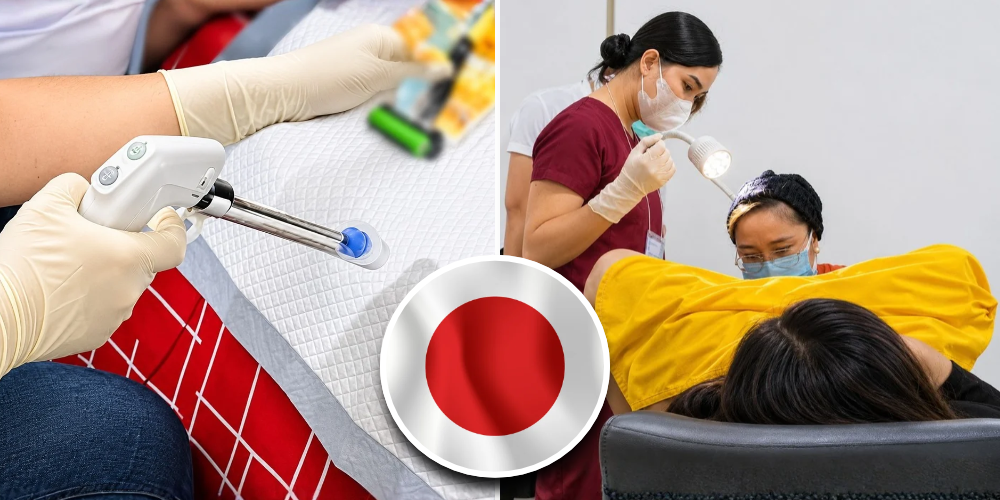
The Department of Health (DOH) has deployed 250 cervical precancer treatment machines donated by the Japanese government across the Philippines, expanding access to early medical intervention that could prevent thousands of Filipino women from developing cervical cancer.
The nationwide deployment brings treatment for precancerous cervical lesions closer to Filipino women, allowing abnormal cells to be treated before they develop into cancer.
The thermal ablation machines use controlled heat to destroy abnormal tissue in the cervix. The procedure provides a treatment option for eligible patients, particularly in communities where access to specialized healthcare services remains limited.
Japan provided the equipment in partnership with Expertise France, Unitaid and the World Health Organization (WHO), supporting the Philippines’ efforts to eliminate cervical cancer as a public health problem.
The initiative addresses a significant health threat. According to the International Agency for Research on Cancer’s GLOBOCAN 2022 estimates, the Philippines recorded 8,549 new cervical cancer cases and 4,380 deaths that year, making it the country’s third most common cancer among women by new cases.
Cervical cancer can often be prevented through vaccination against human papillomavirus (HPV), regular screening and timely treatment of precancerous abnormalities. Early detection allows healthcare providers to intervene before abnormal cells progress into invasive cancer.
The newly deployed machines will complement the DOH’s existing prevention programs, including school-based HPV vaccination, HPV DNA testing, Pap smears and visual inspection with acetic acid.
Financial assistance is also available through PhilHealth’s Yaman ng Kalusugan Program (YAKAP) Cancer Screening, the DOH Cancer Assistance Fund and PhilHealth’s Z Benefit Package, subject to eligibility and coverage requirements.
Globally, the WHO estimates that three in five women aged 30 to 49 have never undergone cervical cancer screening, highlighting the continuing challenge of detecting and treating the disease before it becomes life-threatening.
The Philippine government has also endorsed thermal ablation as a treatment option eligible for government financing for qualified women aged 30 to 65, following recommendations from the country’s Health Technology Assessment Council.