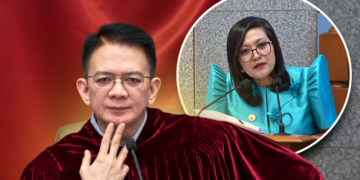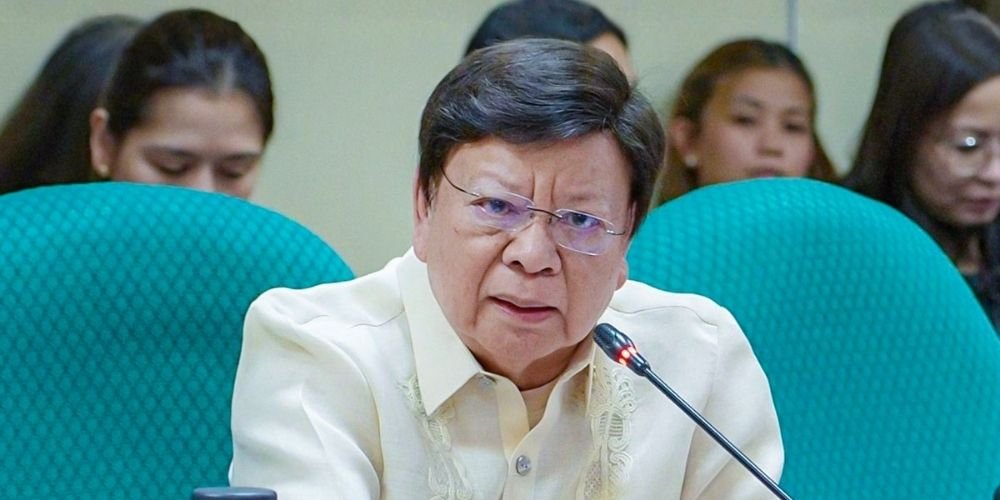
Sen. Rodante Marcoleta‘s “bayaran” remark during the June 4 Senate Blue Ribbon hearing put the media’s role under scrutiny as the chamber tackled the flood-control controversy involving public funds, alleged kickbacks and former House Speaker Martin Romualdez.
Marcoleta turned his criticism toward the press, questioning whether journalists were doing enough to confront silence from public officials as the flood-control controversy continued to raise questions involving public funds, alleged kickbacks and Romualdez.
“Kayo po ang mga participants sa media… na karamihan po sa inyo ay bayaran. Sasabihin ko na sa inyo ito. Meron po bang nagsalita sa kanila?” Marcoleta questioned. “Kayo pong members ng media, tinanong n’yo po ba sila kung bakit nagpaka-tahimik sila?”
His statement placed journalists directly inside the accountability debate. Marcoleta’s challenge was not merely about coverage of the hearing, but about whether the media was helping the public demand answers or allowing silence, diversion and selective pressure to shape the story.
The point carried weight because the flood-control controversy involves government projects, public funds and allegations surrounding Romualdez. For Marcoleta, the media should be pressing those at the center of the issue, not allowing the demand for accountability to weaken while unanswered questions remain.
The broader media problem Marcoleta raised is reflected in what PGMN and CJ Hirro have faced while covering the Romualdez flood-control issue. Hirro was repeatedly linked in public coverage to the NBI subpoena and the “person of interest” label, while PGMN was repeatedly dragged into the alleged extortion complaint involving Franco Mabanta and claims questioning the substance of its Romualdez exposé. PGMN has disputed the claims against Hirro and the network, but the same issues continued to be rehashed in media reports and commentary while the flood-control allegations against Romualdez remained unresolved.
Marcoleta’s remark pushed that issue into the open, pointing to the broader concern that media coverage can be influenced, weaponized or paid to redirect public attention away from power.