


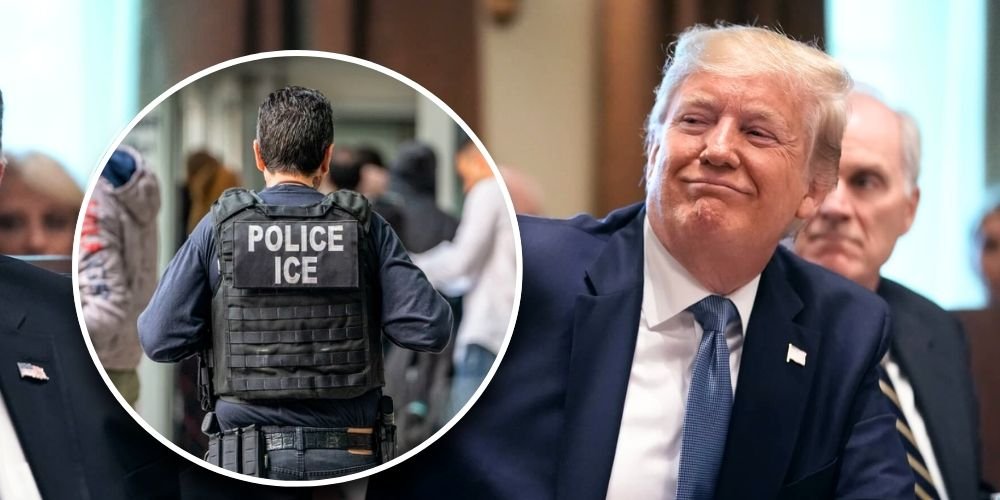
A major court ruling is reshaping how far states can go in regulating immigration enforcement. A federal appeals court has blocked a California law backed by Gavin Newsom that would require immigration agents to display identification.
The court found the measure likely unconstitutional under federal law. The decision keeps the policy from taking effect as the legal fight continues.
The case centers on California’s “No Vigilantes Act,” which sought to require law enforcement, including federal agents, to visibly show identification during operations. State officials argued the law would reduce confusion and improve public safety during enforcement actions. They also raised concerns about masked agents being mistaken for criminals.
“The Supremacy Clause forbids the State from enforcing such legislation,” Mark J. Bennett, writing for the court on limits to state authority over federal operations.
Federal officials challenged the law, arguing it interferes with national immigration enforcement. They said identification requirements could expose agents to harassment, doxxing, and targeted attacks. The court agreed that the law directly regulates federal officers performing official duties.
Earlier rulings had already limited parts of the law. A lower court allowed some identification provisions but blocked others, including restrictions on face coverings. The latest decision from the 9th U.S. Circuit Court of Appeals expands that block and reinforces federal authority.
The ruling reflects a broader legal clash over immigration policy between California and federal agencies. State officials maintain the law aims to protect communities and ensure accountability.
For now, the decision highlights how constitutional limits define the boundary between state initiatives and federal power.