


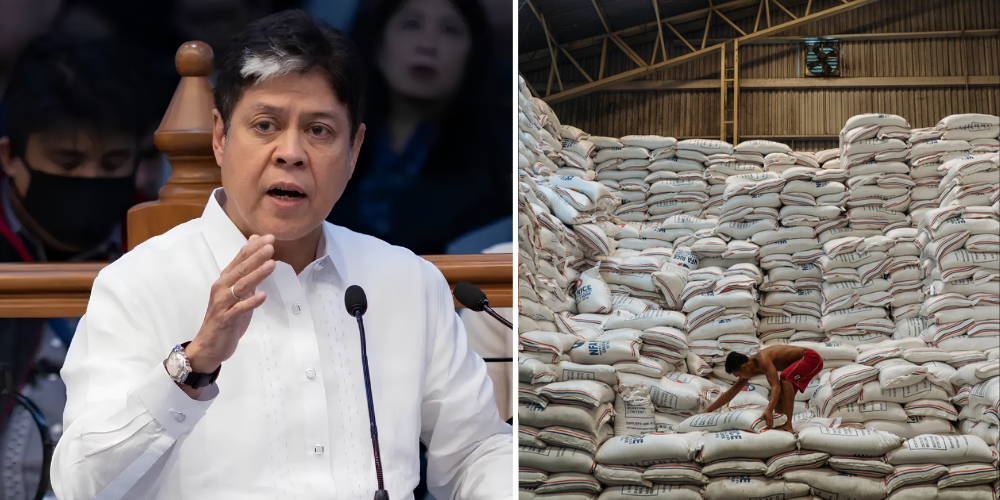
Hoarders may be behind the sharp rise in rice inflation from 3.5% to 13.7% in just one month, according to Senator Francis “Kiko” Pangilinan.
The Department of Agriculture had earlier said the country has enough rice supply until June, but Pangilinan raised concerns over the continued increase in prices.
Pangilinan urged the government to investigate possible hoarding, profiteering and price manipulation after the Philippine Statistics Authority reported that headline inflation climbed to 7.2% in April 2026 from 4.1% in March. Food inflation rose to 6.1% from 2.7%, while corn inflation reached 21%.
For ordinary families, these figures translate to tighter daily budgets. Rice is a basic staple, and any sharp increase in its price can force low-income households to cut spending on other necessities. Pangilinan also warned that consumers, farmers, fisherfolk and the agriculture sector are directly affected by rising prices and higher production costs.
“Nakakaalarma ang ganitong kataas na inflation rate at rice inflation rate dahil direkta ang epekto nito sa ating mga mamimili, mga mangingisda, at magsasaka. Isa na naman itong dagok sa araw-araw na kahirapan na dinadanas ng ating mga kababayan,” Pangilinan said.
Pangilinan, who chairs the Senate Committee on Agriculture, Food, and Agrarian Reform, said the spike in rice prices must be closely examined.
“Dapat tingnan maigi ng gobyerno kung paano at saan nagmula ang mataas ng rice inflation dahil sinabi mismo ng DA na meron tayong sapat na supply ng bigas hanggang Hunyo,” he added.
Pangilinan warned that price manipulation violates laws such as the Anti-Economic Sabotage Act, the Consumer Act and the Price Act. He said profiteering and hoarding could result in imprisonment, hefty fines, business closures and the cancellation of permits.
He urged government agencies to strengthen market monitoring, crack down on abusive traders and ensure aid reaches families most affected by rising costs. He also pushed for stronger support for local agriculture through subsidies, affordable credit, farm-to-market infrastructure and the full implementation of the Sagip Saka Act.