


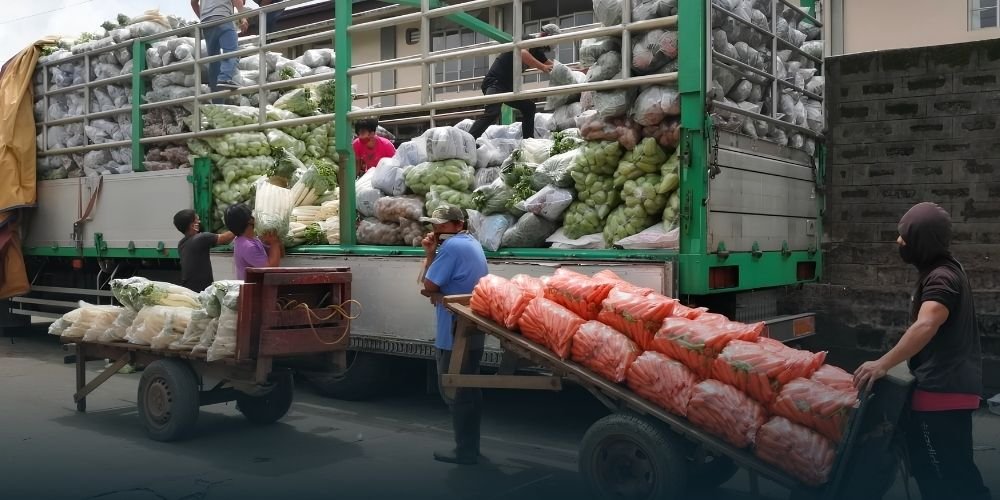
The Department of Agriculture said the recent surge in food prices is being driven by higher logistics and transport costs, not by supply shortages, amid soaring fuel prices linked to the U.S.-Iran war.
Food inflation climbed to 6.1% in April from 2.7% in March, helping lift overall inflation to 7.2%. Agriculture Secretary Francisco Tiu Laurel Jr. said the country has sufficient supply of rice, poultry, meat, vegetables and other basic commodities.
“Clearly, this price shock is a knee-jerk reaction to the surge in prices of petroleum products. We have ample supply for rice, poultry, meats, vegetable, and other commodities but the cost of logistics and transport has propped up prices,” Tiu Laurel said.
The issue is no longer limited to farm supply — it is also about the cost of moving food. As fuel prices rise, transporting goods from farms, ports, cold storage facilities and production hubs to public markets becomes more expensive. These added costs can reflect in retail prices even when supply remains adequate.
The DA said it is extending fuel subsidies to agri-truckers and transport operators within the food supply chain. It also said toll fees for agricultural shipments have been waived, port charges reduced and dedicated food lanes reinstated to speed up the movement of goods to markets.
“We have moved to provide financial aid to agri-truckers to keep food prices affordable, and mobilized other offices to bring food from production hubs to markets,” Tiu Laurel said.
The department also said it is ramping up market inspections to monitor price movements and check excessive retail markups.
These measures come as rice inflation rose to 13.7% in April from 3.5% in March. Corn, fish and vegetables also posted faster price increases. For consumers, the pressure is immediate: even with sufficient food supply, higher fuel and transport costs can still drive up the price of basic goods in public markets.