


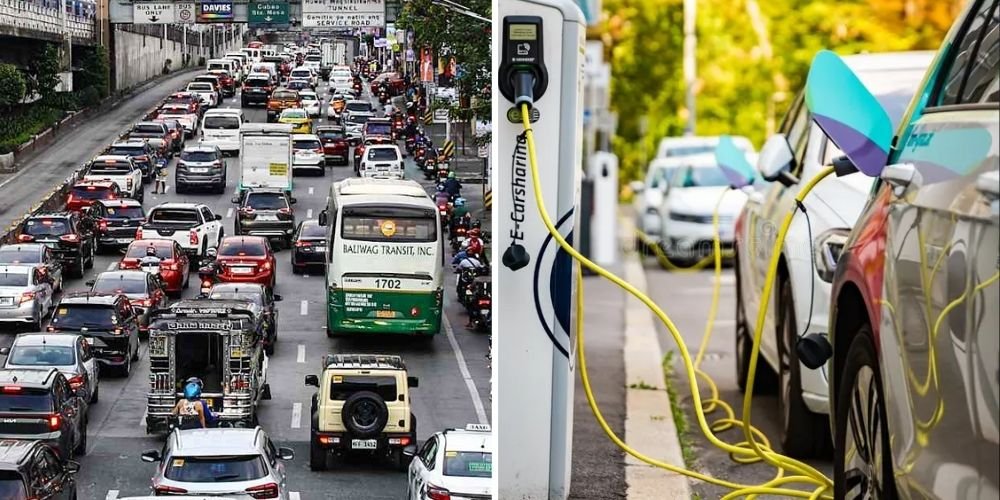
Latest figures from the Philippine auto sector show diverging trends across vehicle segments as the fuel crisis shapes demand. Vehicle sales fell 9.8% in the first quarter of 2026, reflecting slower activity across the market.
At the same time, electric vehicle sales rose 36.2% to 11,800 units, underscoring how rising fuel costs are influencing buying decisions.
Industry data from the Chamber of Automotive Manufacturers of the Philippines, Inc. (CAMPI), and the Truck Manufacturers Association show total sales reached 105,642 units, down from 117,074 units in the same period last year. March sales declined 10.4% but remained the strongest month so far this year.
“xEV adoption is mainly driven by users’ growing understanding and acceptance of electrified technologies,” CAMPI president Jose Maria Atienza said.
EV sales accelerated as fuel prices increased following tensions in the Middle East. In March, EV sales reached 6,148 units, marking a sharp rise from previous months. Hybrids accounted for a large share, offering fuel savings while easing concerns about driving range.
Despite this growth, overall vehicle demand slowed as higher costs weighed on buyers. Some consumers delayed major purchases due to rising expenses and economic pressure. At the same time, interest in EV financing increased as buyers explored alternatives to traditional fuel vehicles.
EVs now account for about 17% of the Philippine automotive market. Industry leaders expect this share to expand as fuel prices remain volatile. Trends also point to growing demand for smaller, more energy-efficient vehicles across segments.