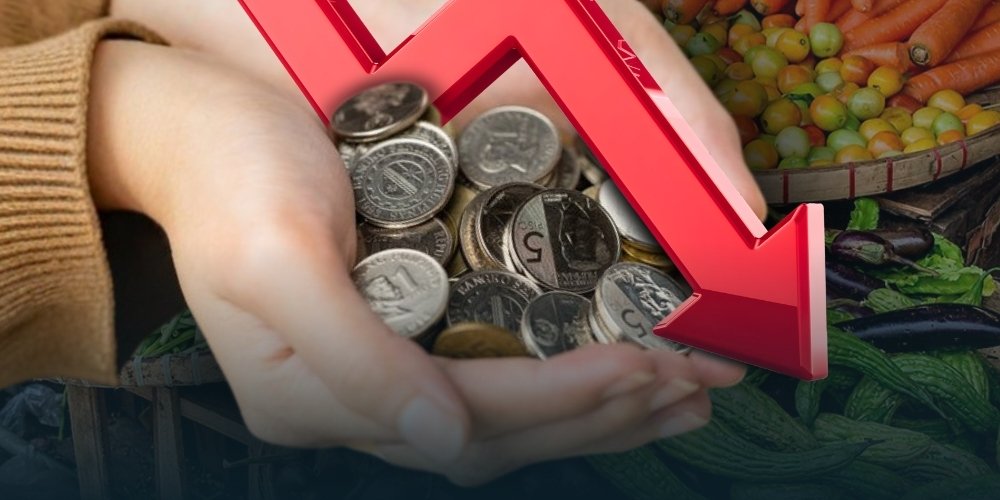
Philippine inflation jumped to 7.2% in April, reaching its highest level in three years as rising fuel and food costs spread across the economy, surpassing expectations and breaching the central bank’s target range.
The Philippine Statistics Authority reported that consumer prices accelerated from 4.1% in March and 1.4% in April last year. The latest figure marked the fastest pace since March 2023, when inflation hit 7.6%. It exceeded the Bangko Sentral ng Pilipinas’ 2% to 4% target range, the 5.5% median estimate of economists, and the central bank’s 5.6% to 6.4% forecast.
Food prices accounted for the largest share of the increase, contributing 37.3%. Food inflation climbed to 6.0% from 2.9%, with rice prices rising to 13.7% from 3.5%. Transport followed with a 33.1% share, as inflation surged to 21.4% from 9.9%, driven by higher fuel costs.
Fuel prices spiked during the month, reflecting global oil pressures tied to the Middle East conflict. Diesel prices rose by more than 120% year-on-year, while gasoline increased by around 60%, pushing up transport costs and feeding into broader price movements.
Purchasing power has also weakened, with ₱1 in 2018 now equivalent to about 75 centavos as of March 2026 based on consumer price index data. The peso has also depreciated, hitting a record low of around ₱61.30, as a stronger US dollar and capital outflows continue to weigh on the currency.
Inflation for the bottom 30% of households reached 8.5%, while core inflation edged up to 3.9% from 3.2%, signaling broader price pressures.
Despite the surge, average inflation from January to April stood at 3.9%, still within the central bank’s target band. Authorities said measures are in place to cushion the impact, including fuel subsidies and fare discounts, as global oil pressures continue to affect local prices.