


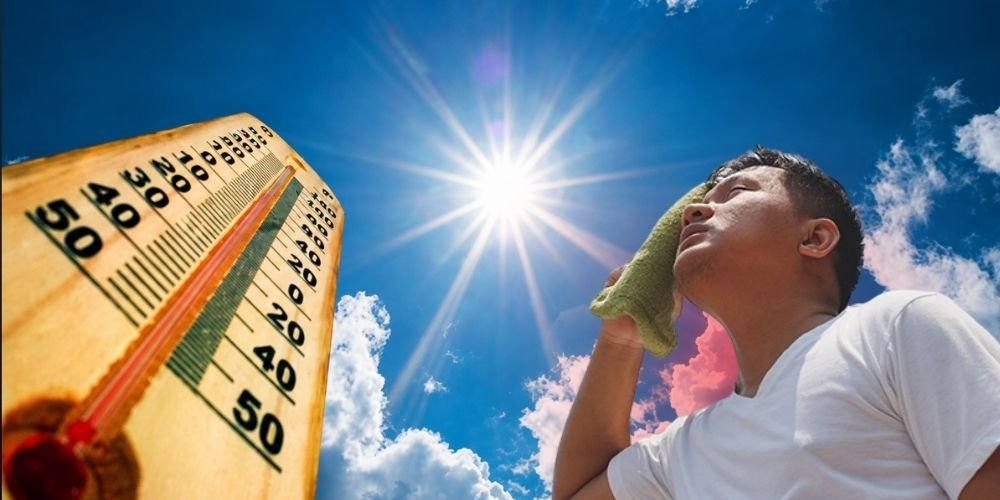
A historic El Niño is building across the Pacific, with the Philippines facing growing risks from prolonged dry conditions. The UK Met Office says the 2026 El Niño may become the strongest in over a century. Pacific sea temperatures could rise more than 3°C above normal as the event peaks. Combined with human-caused warming, the Met Office says 2027 will “very likely” become the hottest year on record.
El Niño develops when unusually warm waters spread across the central and eastern tropical Pacific. This releases heat into the atmosphere and changes rainfall and wind patterns worldwide.
Scientists declare El Niño when temperatures in a key Pacific region reach at least 0.5°C above average. Current measurements already exceed 2°C, while Met Office forecasts suggest warming could surpass 3°C later this year.
“We should be clear that this is an unprecedented event,” Met Office forecaster Adam Scaife, on the strength of current projections.
He said he had never seen an El Niño signal this intense in their forecasts.
The Met Office expects particularly strong impacts across tropical regions, including severe drought risks in parts of the western Pacific. For the Philippines, the Philippine Atmospheric, Geophysical and Astronomical Services Administration (PAGASA) warns El Niño raises risks of below-normal rainfall and drought.
PAGASA projected a 57% chance of strong El Niño conditions from July to September 2026. That rises to 81% for a very strong event during October–December and November–January.
Meanwhile, the National Oceanic and Atmospheric Administration (NOAA) gives this El Niño a 69% chance of becoming its strongest since 1950. Strong events can disrupt crops and water supplies while increasing food-security risks in vulnerable countries.
Climate change adds another concern because El Niño is occurring in an already warmer world. Scientists remain uncertain whether warming strengthens El Niño itself, but agree it can intensify its weather impacts.
The Met Office expects the biggest global temperature boost after El Niño’s winter peak. Consequently, it says 2027 could replace 2024 as the hottest year ever recorded.