

SC DISMISSES PETITIONS CHALLENGING FPRRD’S ARREST
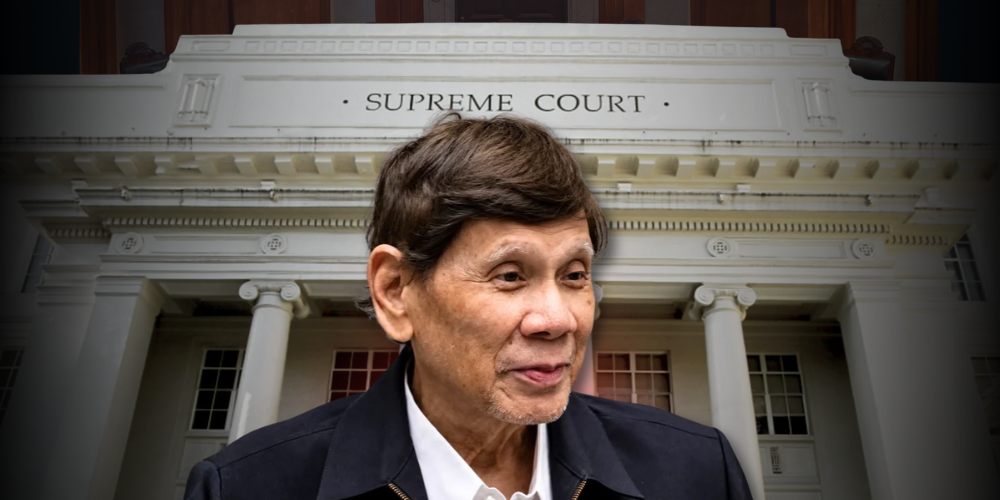
The Supreme Court dismissed the consolidated habeas corpus petitions questioning former President Rodrigo Duterte’s arrest, with nine justices voting in favor and four dissenting, in a ruling released on Nov. 24. The high court said the issues surrounding his arrest had become moot since the International Criminal Court already had him in its custody.
The decision, penned by Associate Justice Japar Dimaampao, denied the petitions filed by Duterte’s children Sebastian, Veronica, and Paolo. The SC declared the petitions moot because Philippine courts can no longer enforce the writ while Duterte remains under ICC custody in The Hague, Netherlands.
Habeas corpus is a legal remedy used to challenge unlawful detention and seek a person’s release.
“Regardless of whether these actions were lawful, the officials no longer had custody or control over him,” the SC said.
The high court clarified that the dismissal does not establish that Duterte’s arrest and transfer were lawful.
Four justices opposed the dismissal. Associate Justice Ramon Paul Hernando argued that Duterte’s surrender violated constitutional protections, including his right to due process. Associate Justice Antonio Kho Jr. warned that similar government actions could escape judicial review if authorities carried them out quickly enough.
Senior Associate Justice Marvic Leonen agreed with the dismissal but criticized the majority for leaving serious constitutional questions unanswered.
A separate petition challenging Philippine government cooperation with the ICC, docketed as G.R. No. 278747, remains pending before the SC.
Philippine authorities arrested Duterte on March 11, 2025, upon his return from Hong Kong and transferred him to ICC custody the following day. His children cited the Philippines’ withdrawal from the Rome Statute and alleged constitutional violations.
The ruling comes six days before Duterte’s scheduled ICC trial on Nov. 30 over three counts of crimes against humanity linked to anti-drug operations during his time as Davao City mayor and president.