


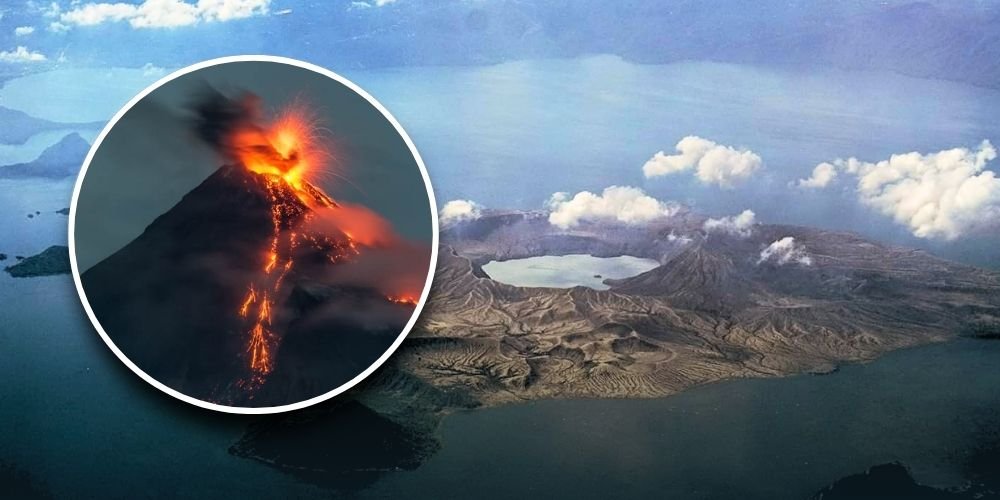
Amid the unrest at Mayon Volcano, Taal Volcano is also seeing a spike in sulfur dioxide emissions, more than doubling PHIVOLCS’ previously reported figure and signaling continued low-level unrest despite no change in alert status.
Taal remained under Alert Level 1 despite heightened sulfur dioxide emissions. The Philippine Institute of Volcanology and Seismology reported 653 tonnes per day of sulfur dioxide from Taal on May 7, up from the 308 tonnes per day recorded on May 5. The volcano also generated a weak plume that rose 600 meters before drifting southwest and west-southwest. PHIVOLCS also recorded nine volcanic earthquakes, including one volcanic tremor lasting two minutes, during its latest 24-hour monitoring period.
The figures indicate continued unrest at Taal, but PHIVOLCS maintained Alert Level 1, which signifies low-level unrest. The agency has repeatedly warned that this status does not mean the volcano has returned to normal or that hazards are no longer present. Possible threats under the current alert status include steam-driven, phreatic or gas-driven explosions, volcanic earthquakes, minor ashfall and dangerous accumulations or expulsions of volcanic gas.
Entry into Taal Volcano Island remains prohibited because it is classified as a Permanent Danger Zone, particularly around the Main Crater and Daang Kastila fissures. Aircraft are also advised to avoid flying near the volcano due to possible sudden explosions and ash-related hazards.
Meanwhile, Mayon Volcano in Albay continued its ongoing effusive eruption. PHIVOLCS reported that a lava collapse-fed pyroclastic flow of hot ash, gas and volcanic debris occurred at around 8:39 a.m. on May 7 along the Mi-isi Gully on Mayon’s southwestern slope, with a runout distance of around two kilometers. PHIVOLCS Director Teresito Bacolcol said the event was shorter than the May 2 pyroclastic flow, which reached around five kilometers, and remained consistent with Mayon’s continuing effusive eruption. Alert Level 3 remains in effect over Mayon, along with the six-kilometer danger zone.