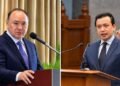


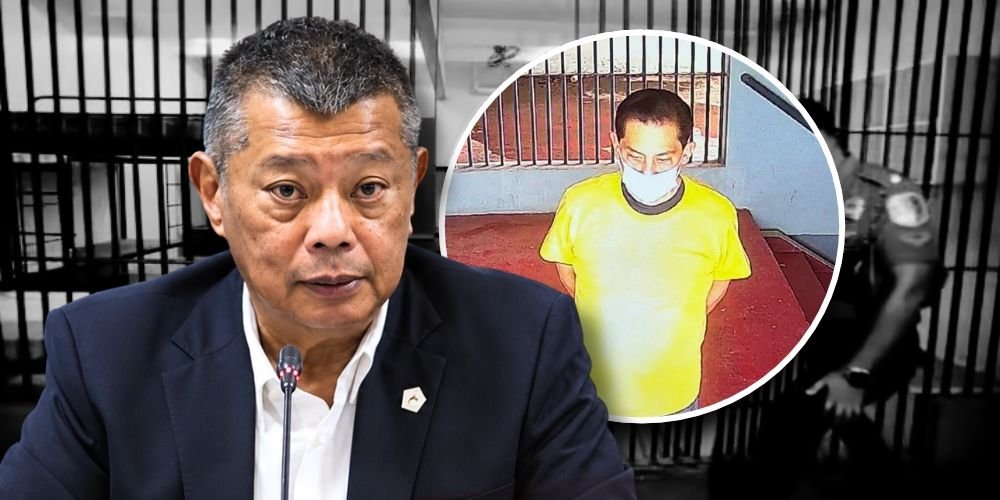
Navotas Rep. Toby Tiangco is scheduled to testify before the Sandiganbayan Third Division on Tuesday, Nov. 10, in the bail hearing of former House Speaker Martin Romualdez, who faces a ₱7.44-billion plunder case involving alleged kickbacks from government infrastructure projects.
Prosecutors confirmed Tiangco’s appearance following an inquiry from Associate Justice Karl Miranda, chair of the Sandiganbayan Third Division. His testimony will form part of the prosecution’s evidence as the court determines whether Romualdez may be granted bail.
In November 2025, Tiangco declared that Romualdez alone “should answer” for “everything that went wrong” in the 2025 national budget.
The Navotas lawmaker also recounted a Nov. 24, 2024, meeting with President Ferdinand Marcos Jr. and Romualdez that lasted approximately 90 minutes. Tiangco alleged that Marcos confronted the former Speaker over “massive corruption” in Congress during the meeting.
Special prosecutors intend to present approximately 100 witnesses throughout the bail proceedings and subsequent trial. Of these, 24 have already testified during the bail hearing.
Miranda has asked both parties whether they could agree on certain facts to dispense with additional witness testimony and expedite the proceedings.
In a landmark ruling on Oct. 20, the Supreme Court struck down ₱467.49 billion in unconstitutional congressional budget increases under Romualdez’s House leadership and invalidated provisions of the 2026 national budget. The decision marked a major judicial rebuke of congressional budget-making practices and offered a measure of vindication for Tiangco, who had long questioned budget insertions and demanded greater transparency in the handling of public funds.
Since 2025, Tiangco has repeatedly challenged congressional insertions, demanded disclosure of amendments made by the House’s small committee, and questioned the lack of transparency in budget deliberations. His objections continued into the 2027 budget hearings, where he called for Congress to subject its own spending to the same scrutiny imposed on other government agencies.