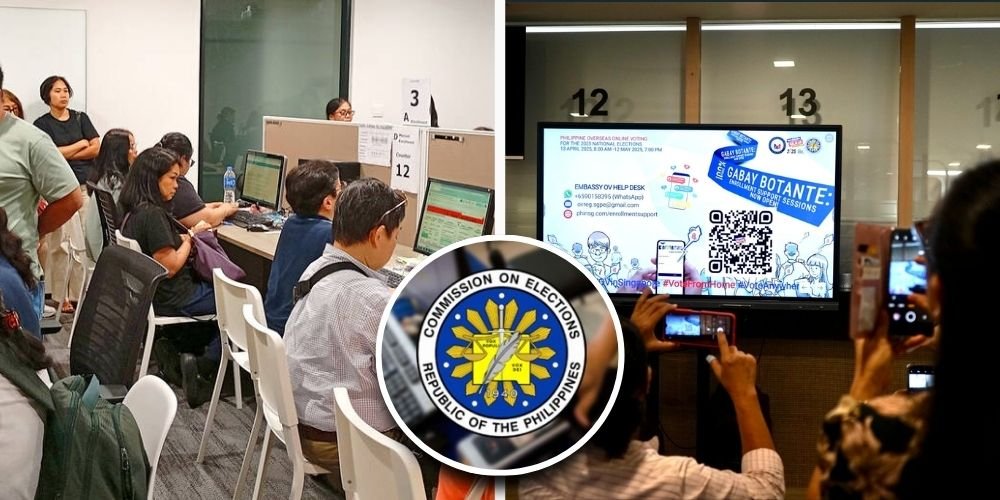
The Commission on Elections is moving forward with internet voting for overseas Filipinos in the 2028 elections, even as a challenge against the system used in the 2025 polls remains pending before the Supreme Court.
Comelec Chairperson George Garcia said the poll body will continue its preparations while responding to the case before the high court, which has ordered Comelec and the Department of Foreign Affairs to comment on a motion seeking to intervene in the pending petition against online overseas voting.
Garcia said Comelec is prepared to defend its position and has already been coordinating with the Office of the Solicitor General.
“Mismong ang batas ay nag-authorize kay Comelec na pumunta sa ibang modes of voting, hindi lamang yung in-person,” Garcia said.
He said Comelec also plans to present what it sees as the positive results of internet voting in 2025, particularly its claim that online tallies matched manually counted outcomes.
“At the same time, gusto naman namin ipresenta rin sa Korte Suprema ang naging magandang outcome noong internet voting natin lalong-lalo na yung pinagmamalaki namin na 100 percent na nag-tally yung result ng internet, at yung manually counted na results,” Garcia added.
Garcia emphasized that the poll body cannot afford to wait for the case to be resolved before preparing for the next national elections.
“As far as we’re concerned, as of this time, tuloy na tuloy ang internet voting para sa mga kababayan natin,” he said.
For 2028, the online voting period is scheduled to start on April 9. Comelec also plans to begin online voting enrollment earlier, starting Feb. 9 instead of March, to give overseas voters more time to complete enrollment and identity verification.
The poll body is likewise considering broader identification rules after Garcia said the limited number of accepted IDs became an issue in the previous exercise. Comelec is studying whether additional documents may be accepted, including IDs showing that voters are Filipinos or are residing abroad.
Comelec is also exploring the use of instant messaging applications to send one-time PINs for voter verification instead of relying solely on SMS or email.
Garcia said Comelec is also addressing complaints that voters could not clearly verify the names of the candidates they selected, but warned that posting photos of completed online ballots may be treated as an election offense because of vote-buying risks.