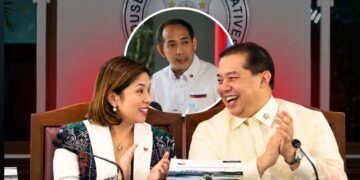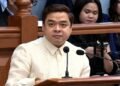


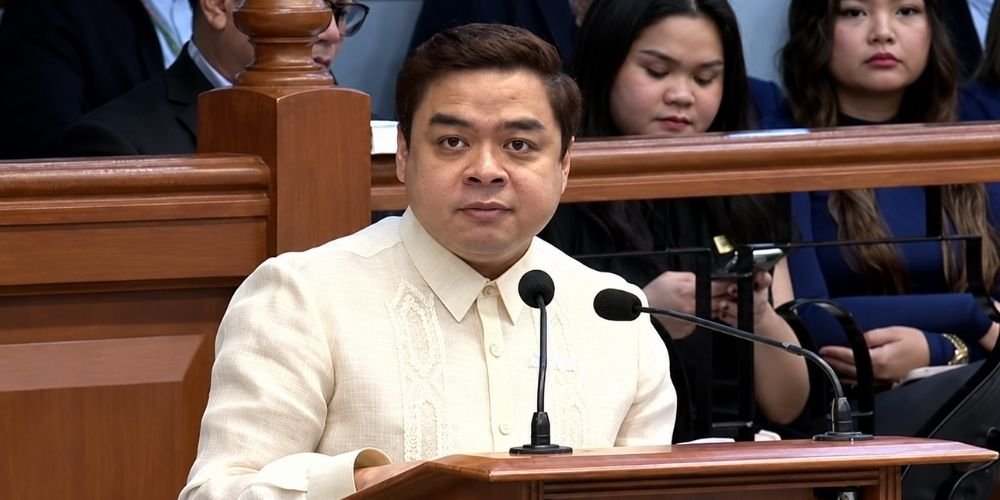
Bicol Saro party-list Rep. Terry Ridon is under scrutiny from the Senate impeachment court after being issued a show-cause order over a possible breach of the sub judice rule in Vice President Sara Duterte’s impeachment trial.
The order directs Ridon to explain why he should not be sanctioned for comments he made while discussing evidence presented in court. Ridon is part of the House prosecution panel handling the case against Duterte before the Senate impeachment tribunal.
The controversy followed Ridon’s remarks after Office of the Ombudsman records officer Atty. Karen Batu testified about documents related to Duterte’s Statement of Assets, Liabilities and Net Worth (SALN).
After Batu’s testimony, Ridon said, “pasok sa banga ang SALN ng pangalawang pangulo,” referring to the prosecution’s view of the evidence and documents presented before the court.
The remark came under scrutiny because it was made while the impeachment trial was ongoing, prompting the Senate impeachment court to issue a show-cause order requiring Ridon to explain his statement and why it should not be treated as a sub judice violation.
PGMN Lead Anchor Cj Hirro also addressed the controversy, criticizing Ridon’s remark and the resulting show-cause order.
“Hindi na nga pasok sa banga ang PR stunt dahil salad bowl ang dinala, napatawan pa ng SCO,” Hirro said.
House prosecution spokesperson Rep. Zia Alonto Adiong confirmed that Ridon was among the panel members who received a show-cause order. He said the prosecution team was still reviewing the order before determining how to respond.
“Right now, we are still looking at the details of what the contents of that show cause order are, so we have not yet seen, and have not yet discussed what the course of action of the prosecution panel will be,” Adiong said.
The sub judice rule limits prosecutors, defense lawyers, witnesses and judges from publicly discussing matters directly related to an ongoing case. In an impeachment trial, the restriction is meant to keep arguments and evidence within the proceedings rather than having them litigated through public statements.
The Senate impeachment court had earlier specified possible penalties for violations. A first offense may draw a public reprimand and admonition, while repeat violations could result in harsher sanctions, including a ₱30,000 fine and restrictions on participation in the proceedings.