


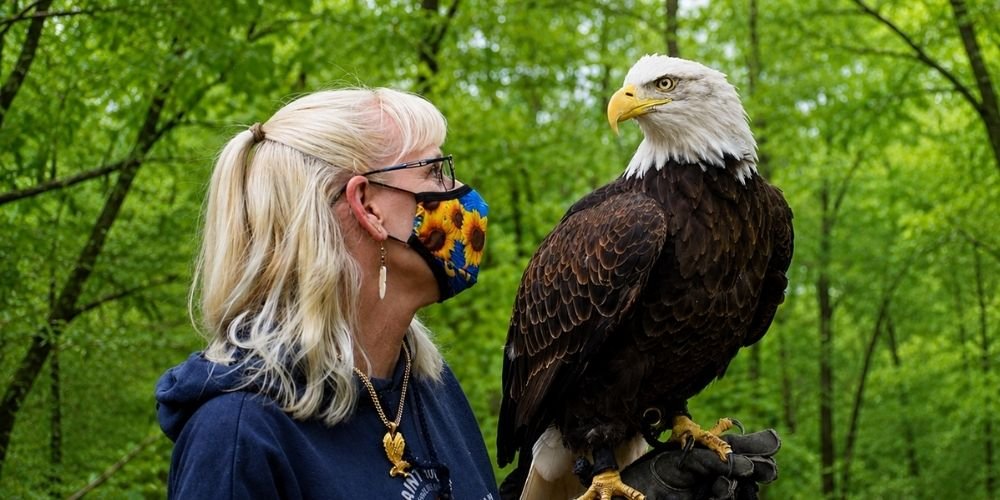
The bald eagle, the national bird of the United States, has made a major recovery after decades of population decline pushed the species close to extinction.
Bald eagles were near extinction in the United States during the 20th century due to habitat loss, illegal hunting, and the widespread use of the pesticide DDT, which affected the birds’ ability to reproduce by causing eggshell thinning. By the 1960s, the species had declined to only about 400 breeding pairs in the lower 48 states, raising concerns over its survival.
The decline prompted stronger conservation efforts, including federal protections, habitat preservation programs, and the 1972 ban on DDT. These measures helped stabilize bald eagle populations and allowed the species to gradually return to areas where it had previously disappeared.
The U.S. Fish and Wildlife Service removed the bald eagle from the Endangered Species List in 2007 after determining that its population had recovered enough to no longer require endangered-species status. The removal from the list did not end protections for the species, which remains safeguarded under federal wildlife laws.
The recovery has continued in recent years. A nationwide survey by the U.S. Fish and Wildlife Service estimated that the lower 48 states had about 316,700 bald eagles, including more than 71,400 nesting pairs, based on data collected in 2018 and 2019. The figure represented a dramatic increase from the species’ historic low and showed the success of long-term conservation efforts.
Despite the population rebound, wildlife officials continue to monitor threats facing bald eagles, including habitat disturbance, pollution, and human activity near nesting areas. The species’ return from the brink of extinction remains one of the most notable examples of wildlife conservation success in the United States.