

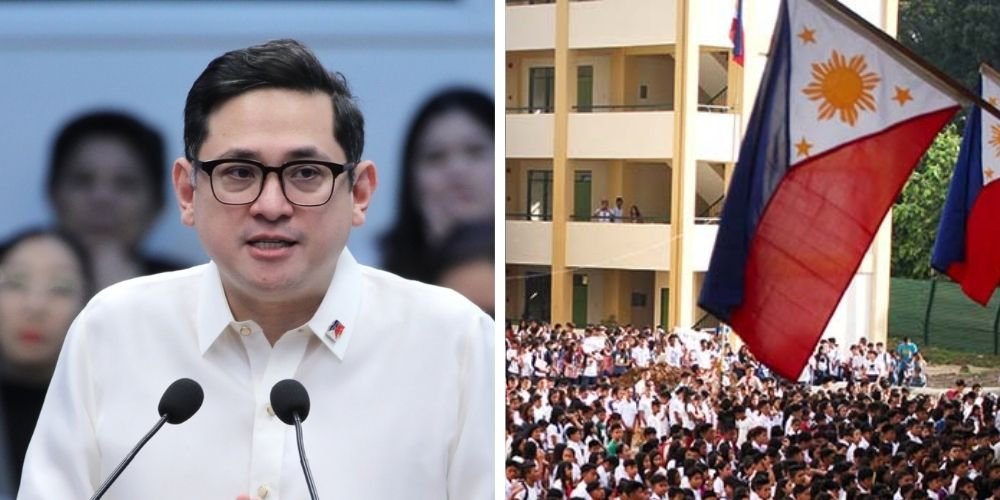
The Senate has moved a major education reform bill closer to law, approving Senate Bill 1981 on third and final reading on May 4 with a unanimous 22-0 vote.
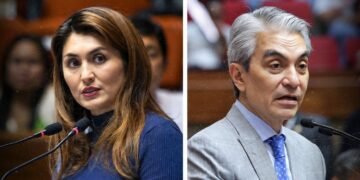
The proposed Basic Education Voucher Program Act seeks to decongest public schools through a nationwide voucher system. Sen. Bam Aquino, author and sponsor of the bill and chair of the Senate Committee on Basic Education, said the measure would grant educational vouchers to eligible learners from congested public schools so they can enroll in participating private schools.
“The aim of this bill is to reduce overcrowding in public schools through private education vouchers,” Aquino said.
The bill covers basic education from Kindergarten to Grade 12. It responds to findings from the Second Congressional Commission on Education, or EDCOM II, which showed a shortage of at least 165,000 classrooms, with schools facing overcrowding, shifting classes, and unsafe learning conditions.
Priority beneficiaries include students from low-income households, 4Ps families, geographically isolated and disadvantaged areas, Indigenous Peoples, learners with disabilities, and children under foster care. Participating private schools and their teachers would also receive support.
Aquino said the program forms part of a broader response to the education crisis by complementing classroom construction efforts and strengthening the role of private schools. “This is an important step toward addressing the crisis in our education system… Let us ensure that no child is left behind in our country,” he said.
The measure also includes safeguards against fraud and abuse, including penalties for violations and mechanisms meant to prevent ghost beneficiaries. “We will ensure that there are no more ghost students and no one can take advantage of the system… what our students need is education, not corruption,” Aquino said.
With the House counterpart already approved on third reading, the measure is expected to proceed to bicameral deliberations before transmittal to the President. If enacted, it would expand access to private basic education while easing pressure on overcrowded public schools.