


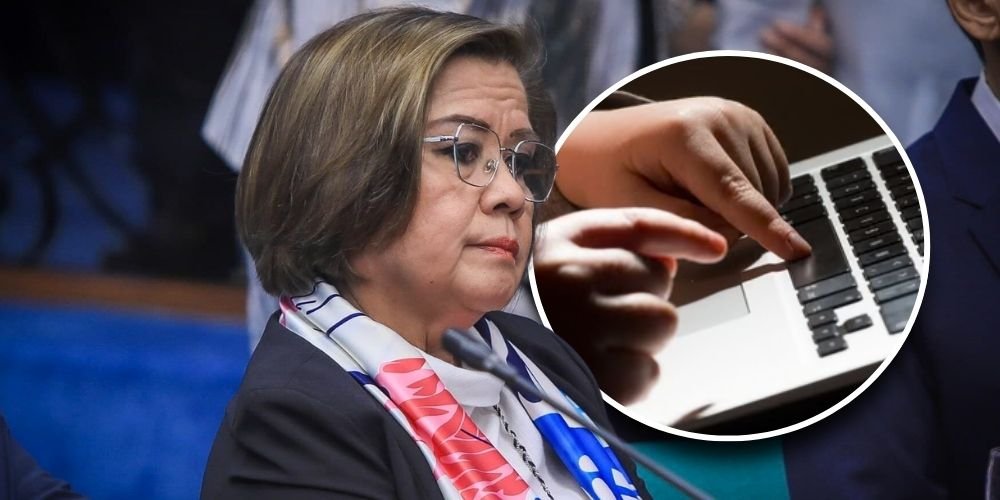
ML Party-list Rep. Leila de Lima‘s proposed Child Online Safety and Protection Act has cleared the House of Representatives after lawmakers approved House Bill No. 9461 on third and final reading, marking a significant step in efforts to strengthen protections for children in the digital age.
The measure seeks to address the growing threat of online child exploitation, including livestreamed abuse, sexual extortion, deepfake-related abuse, and the continued circulation of exploitative material involving minors through digital platforms.
De Lima said the bill responds to crimes that continue to harm children long after the initial abuse takes place.
“Every day, across our archipelago, children are exploited through livestreamed abuse, deepfakes engineered to destroy their dignity, sexual extortion schemes, and the circulation of material that wounds them not just once but perpetually through its redistribution online.”
The former justice secretary said stronger safeguards are needed to prevent perpetrators from exploiting technological advances at the expense of children’s safety and dignity.
“Hindi dapat bigyang puwang sa lipunan ang karumal-dumal na krimeng ito. Sa panukala nating Child Online Safety and Protection Act na naaprubahan na sa third and final reading sa Kamara, aaksyunan natin ang pananamantalang ito sa paglalatag ng maigting na mekanismo para maprotektahan ang ating kabataan.”
The Philippines has long faced challenges involving online sexual exploitation of children, with government agencies, law enforcement authorities, and child protection organizations repeatedly warning about the use of digital platforms to facilitate abuse, coercion, and exploitation.
The measure seeks to strengthen existing protections for minors and provide authorities with additional mechanisms to address emerging forms of online exploitation.
The bill’s approval on third reading sends it forward in the legislative process as lawmakers continue efforts to strengthen protections against crimes targeting children online.
The bill now advances in the legislative process as lawmakers seek stronger safeguards against online exploitation and abuse targeting children.