

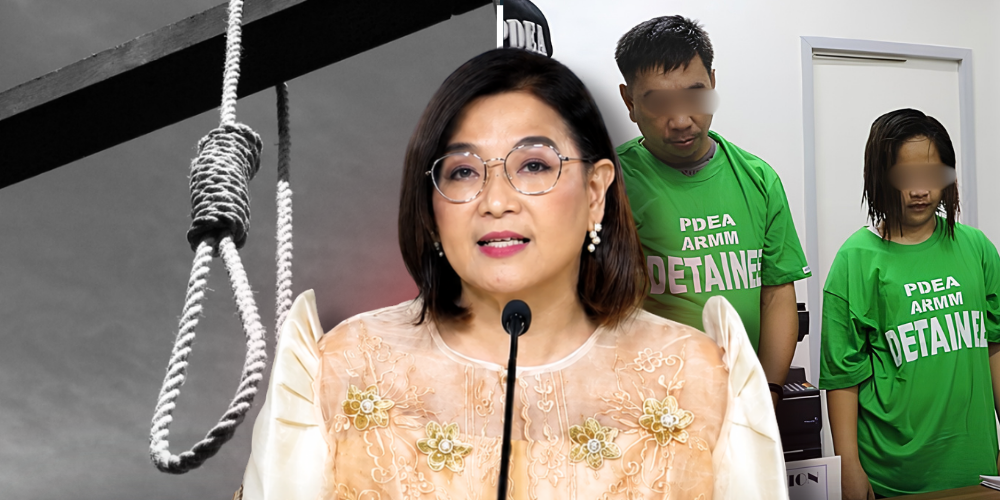
Malacañang said the Marcos administration is still weighing whether to bring back the death penalty for major drug traffickers, with no final decision made yet.
During a press briefing, Palace Press Officer Claire Castro was asked whether President Bongbong Marcos agreed with Interior Secretary Jonvic Remulla’s call to restore capital punishment for major drug trafficking offenses, particularly as the Philippines continues to oppose the death penalty within ASEAN.
Castro said the President would hold off on taking a position while the proposal and its wider implications are examined.
“Hindi po muna magbibigay ng anumang stance ang Pangulo. Hayaan nating aralin ito nang mas malalim,” Castro said.
Malacañang said the issue requires careful review because restoring the death penalty could affect not only domestic law enforcement but also the Philippines’ international relations and regional cooperation.
Castro said Remulla’s position is being respected but emphasized that the death penalty proposal remains under review.
“Kung ano ang kaniyang pananaw ay irespeto natin sa ngayon, ngunit ang usaping death penalty ay dapat na inaaral at binubusisi,” she said.
The Philippines has prohibited the imposition of the death penalty since Republic Act No. 9346 took effect in 2006. Any attempt to restore capital punishment would require legislative action.
The discussion comes as authorities intensify operations against major drug networks following reports linking transnational drug syndicate Sam Gor to 521 kilograms of suspected shabu seized in Laos and believed to have been intended for the Philippines.
Marcos has ordered law enforcement agencies to intensify efforts against illegal drugs, smuggling and other criminal activities.
“Kaya nga iyan ang utos ng Pangulo. Sugpuin ang kontrabando, ang mga ilegal na droga na sumisira sa buhay ng mga Pilipino. Hindi puwedeng magtulog-tulugan dito,” Castro said.