


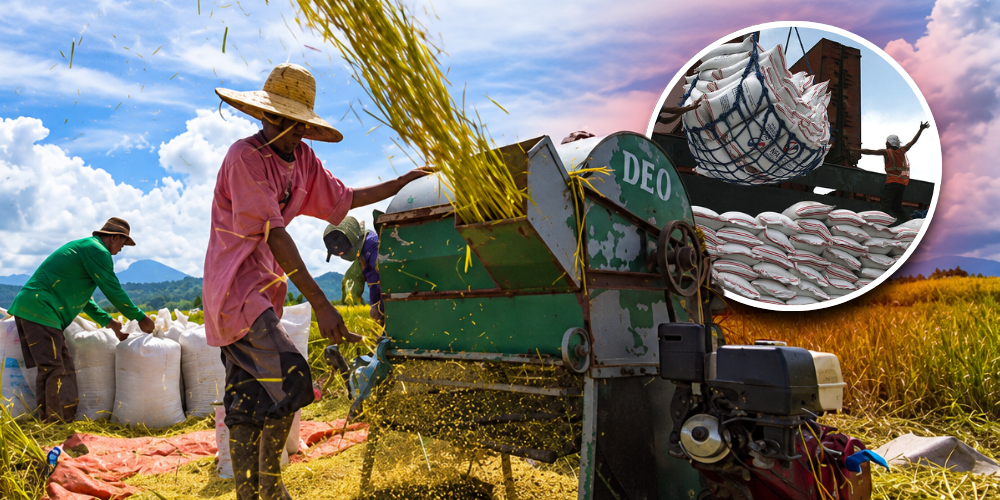
The Philippines remains the world’s largest rice importer in 2026, according to the U.S. Department of Agriculture, as the country continues to supplement domestic rice production with overseas supplies to meet growing demand amid domestic production gaps driven by weather conditions like El Niño and typhoons.
In its October 2026 rice trade outlook, the USDA maintained the Philippines’ position as the leading rice-importing country. The agency had earlier projected Philippine rice imports to reach 5.5 million metric tons in 2026, reflecting the country’s substantial demand for the staple food.
The Philippines has held the top position in previous years, with imports serving as an additional source of supply alongside locally harvested rice. Foreign purchases help maintain rice availability throughout the country, particularly during periods when domestic harvests are insufficient to meet consumption requirements.
Meanwhile, the Philippine Statistics Authority reported that local palay production reached approximately 9.03 million metric tons during the first half of 2026. This included 4.63 million metric tons harvested from April to June, representing a 5.7% increase compared with the same period in 2025.
For the third quarter, however, the PSA estimated palay production at 3.10 million metric tons, down 17.2% from the previous year. The estimate was based on standing crops and remains subject to revision.
The Department of Agriculture has also implemented measures to manage rice importation and support local farmers, including adjustments to import schedules intended to prevent excessive foreign supplies from affecting farmgate prices during harvest periods.
While the USDA ranking reflects the Philippines’ substantial participation in international rice trade, the country’s food supply continues to depend on a combination of domestic production and imported rice.
The government continues to pursue improvements in local agricultural productivity while managing imports to help ensure adequate rice supplies, stable consumer prices, and sustainable income for Filipino farmers.