

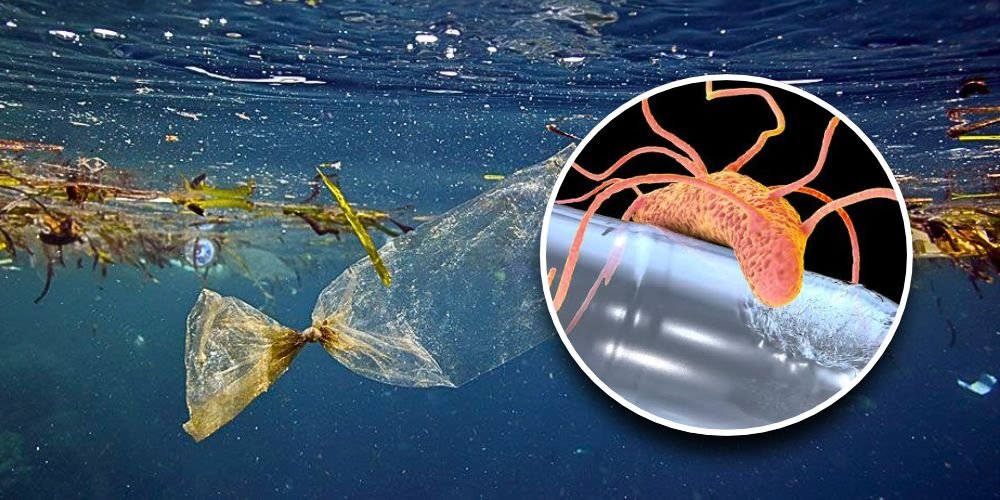
A newly reported deep-sea bacterium could break down plastic in just 48 hours, potentially transforming how the world manages plastic pollution. Identified as Ideonella sakaiensis-X, the strain reportedly degrades polyethylene ten times faster than previously known microorganisms, although the findings lack independent scientific confirmation.
The bacteria reportedly originate from ocean depths of approximately 11,000 feet. One kilogram could process 780 kilograms of plastic weekly, according to the report, suggesting substantial potential for industrial waste treatment.
The process involves enzymes that break plastic into simpler chemicals that bacteria can consume. Two established enzymes, PETase and MHETase, perform this function on polyethylene terephthalate (PET), commonly used in beverage bottles.
The report also describes a system capable of processing landfill waste within nine months using bacteria housed in a shipping container. Other reported benefits include oxygen production, carbon-negative processing, and cultivation costs of just $0.08 per kilogram.
Four coastal cities have reportedly introduced pilot programs, recording a 63% reduction in plastic waste within five months. The potential applications are particularly relevant to the Philippines. A 2021 study in Science Advances estimated that Philippine rivers release approximately 356,371 metric tons of plastic into the ocean annually.
Scientists are exploring ways to improve the plastic-degrading abilities of these bacteria and develop practical applications for large-scale waste treatment, particularly in recycling facilities and marine pollution management.