


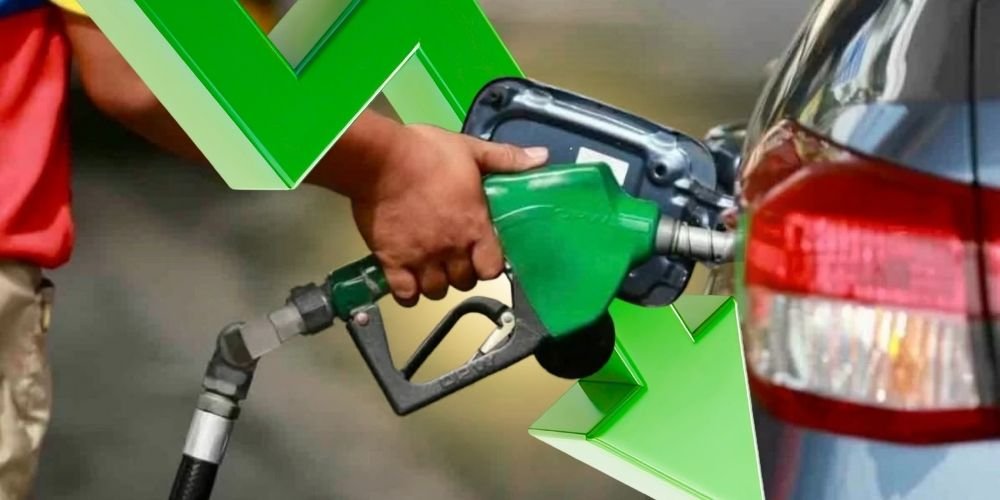
Fuel prices are set for a sharp shift after weeks of sustained increases linked to global tensions. Diesel may drop by up to P26.50 per liter next week, marking the largest rollback projected this year.
Estimates follow easing risks in the Middle East and improved trading conditions. Lawmakers, however, are calling for broader measures beyond price cuts.
Industry data based on the Mean of Platts Singapore shows diesel could fall between P24.50 and P26.50 per liter. Gasoline may decline by P2.50 to P3.50 per liter, while kerosene could also see smaller reductions. Oil firms are expected to announce final adjustments before implementation next Tuesday.
The projected rollback follows a ceasefire involving the United States, Israel, and Iran, which reduced risk premiums in global oil markets. Lower risk premiums affect pump prices as traders adjust expectations on supply disruptions. Reports also point to the possible reopening of key shipping routes during the ceasefire.
Fuel prices surged earlier this year after conflict in the Middle East pushed diesel to triple-digit levels. Transport operators and supply chains absorbed higher costs during the spike. Government agencies introduced service contracting to support public transport operations.
“We need proactive moves on these fronts by the administration,” Ako Bicol Rep. Alfredo Garbin Jr., on calls for expanded government intervention. He proposed tax credits, subsidies, waived fees, and expanded fuel aid to ease pressure on affected sectors.
President Bongbong Marcos declared a national energy emergency to secure supply and manage price volatility. Agencies continue to monitor global developments as fuel prices remain tied to external market conditions.