

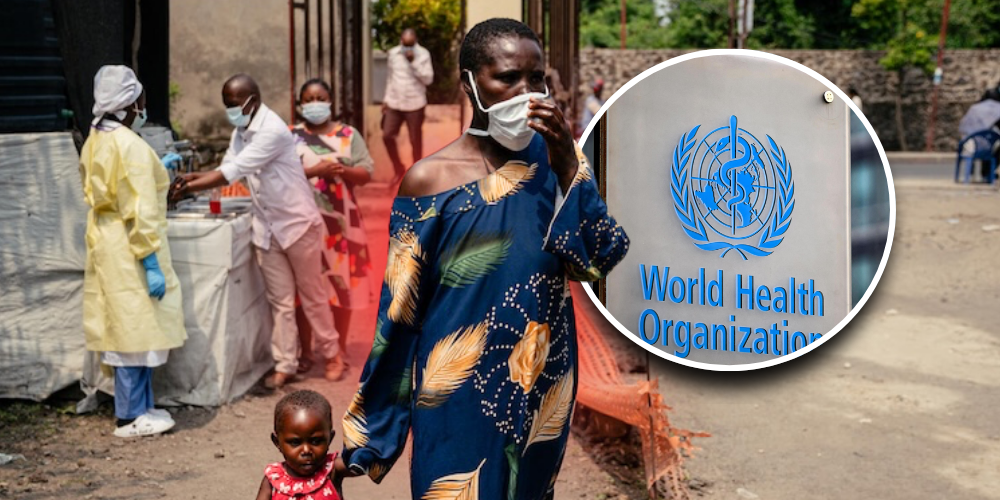
A rare Ebola outbreak in the Democratic Republic of Congo and Uganda is under urgent watch after health authorities reported hundreds of suspected infections, dozens of confirmed cases, and more than 130 deaths as of May 19, with the virus already detected in urban areas and among people who travelled from Congo into Uganda.
WHO Director-General Tedros Adhanom Ghebreyesus told the World Health Assembly in Geneva on Tuesday that he was “deeply concerned about the scale and speed of the epidemic.” The U.S. Centers for Disease Control and Prevention said DRC and Uganda health ministries reported 536 suspected cases, 105 probable cases, 34 confirmed cases, and 134 deaths as of May 19.
The outbreak is centered in Ituri province in northeastern DRC, a conflict-hit region near Uganda and South Sudan where insecurity, mining activity, difficult access, weak infrastructure, and population movement complicate the response. Tedros warned that displacement could increase the risk of further spread.
Health officials identified the virus as Bundibugyo, a rare Ebola strain with no licensed vaccine or specific therapeutic approved for it. WHO said past Bundibugyo outbreaks had case fatality rates ranging from 30% to 50%.
WHO said the first currently known suspected case, a health worker in Bunia, developed symptoms on April 24 and later died at a medical center. Detection was delayed after early testing focused on the more common Zaire strain and returned negative results. DRC declared the outbreak on May 15.
Cases have been reported or confirmed in Bunia, Mongwalu, Rwampara, Goma, Butembo, Nyakunde, and Kampala. Uganda’s two confirmed cases included one death among people who travelled from DRC. CDC said no further spread had been reported there.
Ebola spreads through direct contact with bodily fluids, contaminated materials, or bodies of the dead. Response teams are relying on testing, isolation, contact tracing, infection control, safe burials, and public cooperation.