


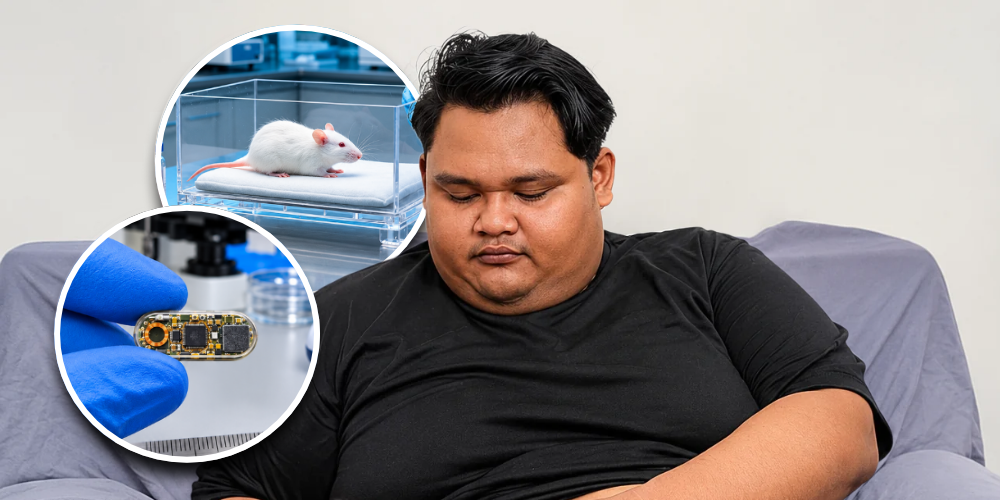
An electronic implant has returned blood sugar to normal levels within about an hour and reduced body weight by up to 10 percent in diabetic mice, giving researchers a promising new approach to type 2 diabetes without administering insulin or glucose-lowering drugs.
Scientists at ETH Zurich in Switzerland published the findings in Science on October 22, 2026. The experimental device uses electricity to convert excess blood sugar into a compound that the body eliminates through urine. The results highlight a new way to control glucose through an implant that responds to the body’s changing sugar levels.
Called ECHO, the system was developed by researchers led by ETH Zürich professor Martin Fussenegger. Its catalyst, made with gold, platinum and graphite, converts glucose into gluconate, which the kidneys can clear from the body.
The implant receives power wirelessly and works with a continuous glucose monitor. When sugar levels rise above a preset threshold, a connected controller activates the device. It switches off automatically when glucose returns to the target range.
In experiments involving obese mice with type 2 diabetes, glucose levels returned to normal within roughly one hour of activation. During six weeks of scheduled treatment, the mice showed improved blood sugar control and lost up to 10 percent of their body weight. Researchers also recorded lower triglyceride levels and signs of increased fat use for energy.
A separate 12-day experiment demonstrated automatic glucose regulation, establishing that the system could respond to changing blood sugar readings.
“We are now showing that we can take control of glucose directly, using electronics rather than drugs,” Fussenegger said.
The findings give researchers a new route to investigate for people living with type 2 diabetes, where maintaining healthy blood sugar levels is a central challenge. The observed weight reduction adds another important result to the technology’s early development.
The implant remains an experimental device tested in mice. ETH Zurich plans to advance it into a medical device for eventual human clinical testing.