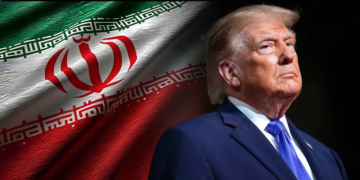


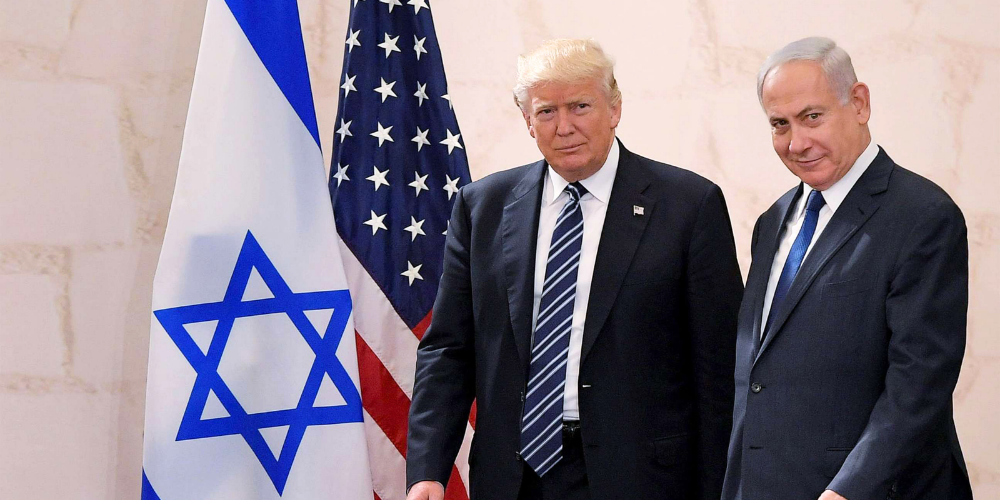
Amid growing political opposition to US military assistance for Israel, President Donald J. Trump announced on Nov. 3 that Washington would end its annual aid by December 2026. Trump said Israeli Prime Minister Benjamin Netanyahu initiated the agreement, arguing that Israel could finance its own defense and continue purchasing American weapons.
“We’ve already agreed that by the end of this year we won’t be paying Israel. Now, we’ll help Israel if they need it.” Trump, on the proposed termination of US assistance.
The announcement came during the US midterm elections, as military funding for Israel became a contentious issue among Democrats and some Republicans. Trump specifically cited Michigan Democratic Senate candidate Abdul El-Sayed, who has criticized Washington’s financial support for Israel.
Under a 2016 agreement signed during Barack Obama‘s presidency, the US committed $38 billion in military assistance over 10 years, averaging $3.8 billion annually through 2028.
Much of that funding requires Israel to purchase American-made weapons, directing substantial spending toward US defense manufacturers. Ending assistance could therefore affect American contractors unless Israel continues buying comparable amounts of military equipment.
However, Trump cannot unilaterally terminate the funding, as Congress controls federal appropriations and the existing agreement runs through 2028. Analysts expect a gradual reduction rather than an immediate cutoff, given ongoing weapons programs and outstanding commitments.
Israeli opposition leaders criticized the announcement, with former military chief Gadi Eisenkot questioning Netanyahu’s handling of the strategic relationship. Opposition figure Yair Golan warned that ending American assistance could weaken Israeli security and shift additional defense costs onto taxpayers.
Meanwhile, US lawmakers are considering legislation to expand joint weapons research and defense technology development, potentially reshaping the longstanding military partnership.
Despite Trump’s announcement, the actual timetable and implementation of the aid cutoff remain subject to congressional decisions.