

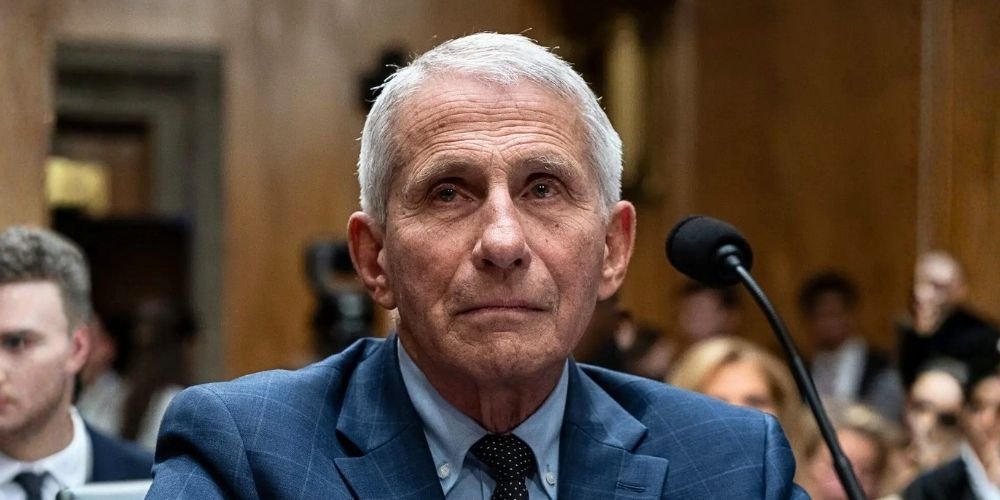
After years of lecturing Americans on trust, transparency, and “the science,” Anthony Fauci sat before the U.S. Senate and refused to talk. Not once, not twice—more than 100 times, he hid behind the Fifth Amendment instead of answering basic questions about his handling of the COVID‑19 pandemic. Congress has had enough.
On August 6, the Republican‑led Senate Homeland Security and Governmental Affairs Committee voted 8‑5 along party lines to hold Fauci in contempt of Congress—a direct rebuke of his stonewalling at the July 29 hearing, where he refused to answer a single substantive question about pandemic policy, government‑funded coronavirus research, or his own record.
Fauci tried to frame his silence as principled. He told the committee,
“Although it pains me to do so, because of the respect I have for the legislative branch of government, and my decades‑long record of cooperating with Congress, under the advice of my attorneys, I will invoke my right under the Fifth Amendment.”
To millions of Americans who lived through lockdowns, mandates, and shifting guidance he authored, it looked like something else entirely—a man who demanded blind trust now refusing to answer for the decisions made in his name.
Committee Chairman Senator Rand Paul wasn’t buying it. He warned Fauci directly that “there will be repercussions” for refusing to testify—and days later, the committee delivered.
Paul pressed further, pointing to the contradiction at the heart of Fauci’s silence: Joe Biden had already handed him a sweeping pardon covering any federal offense from 2014 through January 2025. If Fauci did nothing wrong, why hide behind the Fifth at all?
“Holding a witness in contempt is a serious thing, and it should be rare,” Paul said. “But the contempt power exists for precisely this circumstance.”
Weeks earlier, Paul’s office dropped more than 1,100 pages from Fauci’s personal pandemic‑era diary. In January 2020, he privately wrote that masks weren’t “really effective in preventing infection of the public”—months before publicly declaring everyone should wear one. Around the same time, he discussed with fellow scientists the possibility the virus had been “deliberately inserted”—even as he dismissed the lab‑leak theory in public. And despite years of insisting he never pushed lockdowns, his own diary recounts urging New York’s mayor to shut schools, bars, and restaurants.
The diary also revealed a serious health episode Fauci never publicly disclosed while continuing to assure Americans that COVID vaccines were safe. Months after receiving Moderna’s shot on camera, Fauci privately recorded in his diary that doctors found a “definite” pulmonary infarct in his right lung and put him on the blood thinner Eliquis. The condition only became public years later through his diary, after he continued insisting that vaccine shots were safe.
For a public figure who once insisted that questioning him meant questioning “the science” itself, Fauci’s refusal to answer for that science, under oath, before Congress, speaks volumes.
The committee has now referred the matter to the Department of Justice. Prosecution isn’t guaranteed—a contempt conviction carries up to a year in prison and a fine.